April 18, 2026

Month: August 2025

Cryptocurrencies, particularly Bitcoin, have revolutionized finance, sparking both excitement and apprehension. This exploration delves into the world of Bitcoin, examining its technical underpinnings, market dynamics, and practical applications. We’ll also address the associated risks and challenges, providing a comprehensive overview for both seasoned investors and newcomers.

From its inception as a decentralized digital currency to its current status as a major asset class, Bitcoin has seen dramatic shifts in value and adoption. This report will illuminate the factors that influence its price fluctuations and the diverse ways it’s being used in the modern financial landscape.

Introduction to Cryptocurrencies

The cryptocurrency market has undergone significant evolution since its inception, transforming from a niche concept to a global phenomenon. Its decentralized nature and potential for disruptive innovation have captivated investors and technologists alike. Key players in this dynamic landscape have shaped its trajectory, from early adopters to established institutions.The fundamental principles behind cryptocurrencies like Bitcoin revolve around decentralized digital ledgers, known as blockchains.

These blockchains record and verify transactions transparently, eliminating the need for intermediaries. Cryptocurrencies rely on cryptography to secure transactions and maintain the integrity of the system. This decentralized, secure, and transparent nature is a core differentiator from traditional financial systems.

Different Types of Cryptocurrencies

Beyond Bitcoin, a diverse array of cryptocurrencies exists, each with its unique characteristics and functionalities. These alternative cryptocurrencies often focus on specific use cases or improvements to the existing Bitcoin framework. The variety of cryptocurrencies reflects the broad spectrum of applications and potential within this technology.

Comparison of Major Cryptocurrencies

The following table compares Bitcoin, Ethereum, and Litecoin, highlighting their key characteristics:

Name Market Cap (approximate, in USD) Use Case
Bitcoin (BTC) Several hundred billion USD (highly variable) Primary cryptocurrency, often used as a store of value and medium of exchange. Widely accepted as a form of payment.
Ethereum (ETH) Several tens of billions USD (highly variable) Focuses on decentralized applications (dApps) and smart contracts, facilitating various blockchain-based services.
Litecoin (LTC) Several billions USD (highly variable) Designed to be a faster and more scalable alternative to Bitcoin, prioritizing transaction speed.

Note: Market capitalization figures are subject to significant fluctuations and should be considered estimates.

Bitcoin’s Technical Aspects

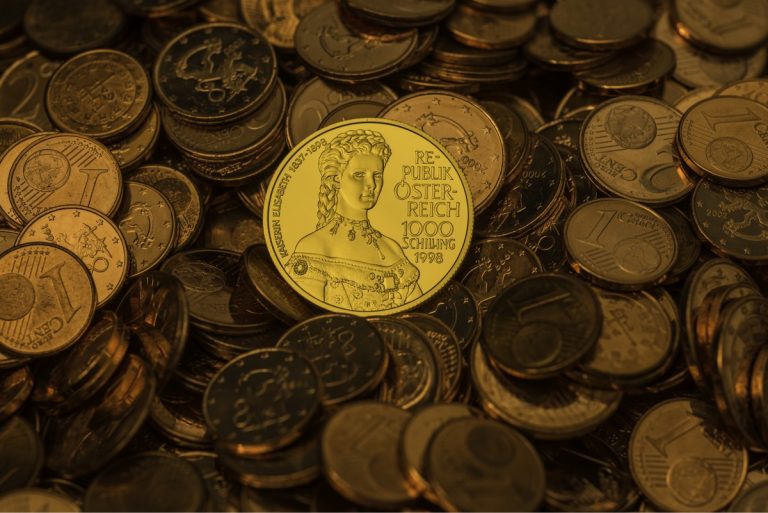
Free Images : leaf, pattern, pollen, museum, metal, money, currency ...

Bitcoin’s technical architecture, underpinned by its blockchain, is a crucial element in its functionality and security. This intricate system allows for secure and transparent transactions, facilitating the operation of the cryptocurrency. Understanding its components and processes is key to comprehending the nature of Bitcoin.The core of Bitcoin’s operation rests on its blockchain, a continuously growing list of records, called blocks, that are linked together.

Each block contains a batch of transactions, timestamped and cryptographically secured to the previous block. This ensures immutability and a tamper-proof record of all transactions. The distributed nature of the blockchain further enhances security, as no single entity controls the network.

Bitcoin’s Blockchain

The Bitcoin blockchain is a distributed, public ledger that records every transaction made on the network. This shared record is accessible to all participants, promoting transparency and trust. The chronological ordering of blocks ensures the integrity of the transaction history. Crucially, each block is linked to the preceding one, forming an unbreakable chain. This immutability is a cornerstone of Bitcoin’s security.

Consensus Mechanisms

Bitcoin employs a Proof-of-Work (PoW) consensus mechanism. This mechanism involves miners competing to solve complex mathematical problems. The first miner to solve the problem adds the next block to the blockchain, earning newly created Bitcoin as a reward. This process incentivizes network participation and ensures the integrity of the transaction ledger.

Transaction Verification and Security

Bitcoin transactions are verified by the network of nodes through cryptographic validation. Each transaction is digitally signed using public-key cryptography, ensuring its authenticity. This digital signature is verified by the network, ensuring that only authorized parties can spend Bitcoin. The distributed nature of the network and the use of cryptographic hashing make tampering with transactions computationally infeasible.

Key Components of the Bitcoin Network

Component Function Security Measures
Blockchain Stores and records all Bitcoin transactions in a chronologically ordered, immutable ledger. Cryptographic hashing links blocks, preventing alteration. Decentralized nature ensures no single point of failure.
Nodes Validate transactions, propagate blocks, and maintain a copy of the blockchain. Distributed network structure ensures robustness and resilience against attacks.
Miners Solve complex mathematical problems to add new blocks to the blockchain. Proof-of-Work mechanism incentivizes honest participation and secures the network.
Transactions Represent the movement of Bitcoin from one address to another. Digital signatures using public-key cryptography verify authenticity.
Public Key Cryptography Enables secure and verifiable transactions by employing digital signatures. Ensures only authorized parties can spend Bitcoin.

Bitcoin’s Market Dynamics

Bitcoin’s price has exhibited significant volatility since its inception, making it a fascinating and challenging asset class to analyze. Understanding the factors driving these price fluctuations is crucial for both investors and traders seeking to navigate the cryptocurrency market. This section delves into the historical price trends, compares Bitcoin’s volatility to other assets, and identifies key influences on its value.Bitcoin’s price has seen periods of substantial growth and sharp declines.

Early adoption and technological advancements contributed to periods of rapid appreciation, while regulatory uncertainties and market corrections have led to substantial drops. This dynamic behavior highlights the inherent risks and opportunities associated with investing in Bitcoin.

Bitcoin’s Price Fluctuations Over Time

Bitcoin’s price has experienced dramatic fluctuations since its emergence. Early adopters witnessed rapid gains, but the price has also experienced significant corrections and periods of consolidation. These fluctuations are a key characteristic of the cryptocurrency market, requiring investors to understand the market’s dynamic nature and potential for substantial price swings.

Comparison of Bitcoin’s Price Volatility with Other Asset Classes

Bitcoin’s price volatility often exceeds that of traditional asset classes like stocks or bonds. This high volatility is a defining characteristic of cryptocurrencies, presenting both heightened risk and potentially higher reward. While stocks can experience significant fluctuations, the magnitude and frequency of Bitcoin’s price swings are typically more pronounced. This difference stems from factors such as the relative newness of Bitcoin, limited regulatory frameworks, and the highly speculative nature of the market.

Factors Influencing Bitcoin’s Price

Several factors contribute to Bitcoin’s price fluctuations. These include market sentiment, regulatory developments, technological advancements, and overall economic conditions. Understanding these interconnected factors is critical to assessing the potential for price movement.

Top 5 Factors Affecting Bitcoin’s Price

Rank Factor Description
1 Market Sentiment Investor confidence and overall perception of Bitcoin’s value significantly impact its price. Positive news and strong investor interest tend to drive prices upward, while negative sentiment or concerns can lead to declines. Examples include prominent endorsements or negative media coverage.
2 Regulatory Developments Government regulations, especially those concerning cryptocurrency trading and usage, can influence investor behavior and market sentiment. Clear regulatory frameworks can instill confidence, while uncertainty or restrictive policies can cause price drops. For example, the implementation of specific taxes or trade restrictions can drastically impact trading volume and prices.
3 Technological Advancements Innovations in blockchain technology and Bitcoin’s underlying protocol can impact its adoption and perceived value. Improvements in transaction speed, security, or scalability can lead to price increases. Conversely, vulnerabilities or weaknesses can trigger sell-offs. A prime example is the development of lightning networks to increase transaction speed.
4 Overall Economic Conditions Global economic events and trends, including interest rates, inflation, and economic growth, play a significant role in influencing Bitcoin’s price. Strong economic growth often correlates with investor confidence, driving up asset prices. Conversely, economic downturns can lead to uncertainty and price drops. This relationship is complex, with no definitive causality.
5 Adoption and Usage The increasing adoption of Bitcoin by businesses, consumers, and financial institutions can positively impact its price. Widespread adoption suggests growing confidence in the cryptocurrency’s potential. For example, the acceptance of Bitcoin for certain payments can accelerate its integration into the broader financial ecosystem.

Bitcoin Adoption and Use Cases

Bitcoin’s journey from a niche digital currency to a more mainstream consideration reflects a growing acceptance by both businesses and individuals. Its decentralized nature and potential for innovative applications have captured attention beyond simple peer-to-peer transactions. Understanding its role in the evolving financial landscape requires examining how it’s adopted and used across various sectors.

Business Adoption

Businesses are increasingly recognizing Bitcoin’s potential for enhancing their operations and expanding their reach. Direct adoption often involves accepting Bitcoin as payment, enabling transactions with customers globally and potentially reducing transaction costs. Some businesses have integrated Bitcoin into their core operations, facilitating internal processes and providing unique value propositions to their clients.

Individual Adoption

Individual adoption of Bitcoin is driven by various motivations, ranging from investment opportunities to a desire for financial independence. A significant portion of individuals are drawn to the potential for high returns, while others see it as a hedge against inflation or a means of diversifying their investment portfolios. Increased awareness and accessibility, through user-friendly platforms, have contributed to wider adoption among the general public.

Use Cases Beyond Transactions

Bitcoin’s applications extend beyond its initial function as a medium of exchange. It is increasingly being used for various purposes, reflecting its potential as a store of value and a decentralized financial tool. The potential for micropayments, remittances, and international transactions with reduced fees are driving further exploration of its capabilities.

Table of Diverse Bitcoin Use Cases

Use Case Description Example
Remittances Facilitating cross-border money transfers with lower fees and faster processing compared to traditional methods. Sending money to family overseas, avoiding high bank transfer fees.
Micropayments Enabling small-value transactions, useful for digital content, online services, or subscriptions. Paying for individual songs or articles on a digital platform.
Investment Bitcoin’s value can fluctuate, presenting potential for substantial gains or losses, depending on market trends. Investing in Bitcoin as part of a diversified portfolio.
International Trade Facilitating international trade by providing a way to reduce transaction fees and expedite payments. A business in one country making payments to a business in another.
Hedge Against Inflation Bitcoin’s decentralized nature and limited supply could potentially act as a hedge against inflation in traditional currencies. Holding Bitcoin as a form of protection against rising prices in the local currency.

Bitcoin’s Role in the Financial World

Bitcoin’s influence on the financial world is multifaceted. It’s challenging traditional financial systems by introducing a decentralized alternative, while also driving innovation and exploration of new financial instruments. Its impact on global financial systems is still evolving and subject to ongoing scrutiny and development.

Buying Bitcoin

Acquiring Bitcoin involves navigating various methods and considerations. Understanding the process, security protocols, and platform choices is crucial for a safe and informed investment. This section details the practical steps involved in purchasing Bitcoin, highlighting key factors to keep in mind.

Methods for Purchasing Bitcoin

Different avenues exist for acquiring Bitcoin, each with unique characteristics. Common methods include exchanges and ATMs. Exchanges provide a centralized platform for trading Bitcoin and other cryptocurrencies, while ATMs allow for direct purchases using fiat currency. Choosing the right method depends on individual needs and preferences.

Security Measures in Bitcoin Purchases

Ensuring the security of Bitcoin purchases is paramount. Robust security measures are essential to protect against potential threats. These measures encompass using strong passwords, enabling two-factor authentication, and regularly monitoring account activity. Utilizing reputable platforms with strong security protocols is a key component. Furthermore, understanding and adhering to the platform’s security guidelines is vital.

Factors to Consider When Choosing a Bitcoin Platform

Several factors influence the selection of a Bitcoin purchasing platform. These include transaction fees, security measures, available features, and user experience. Comparing platforms based on these aspects is critical to selecting a platform that best suits individual needs. User reviews and platform reputation can also be helpful.

Step-by-Step Guide for Buying Bitcoin

This guide Artikels the process of buying Bitcoin, emphasizing potential risks.

1. Research and Selection

Thoroughly research different Bitcoin exchanges and ATMs, considering factors like fees, security, and user reviews. Assess your comfort level with the chosen platform’s complexity.

2. Account Creation

Create an account on the selected platform, providing accurate and complete information. Ensure compliance with the platform’s KYC (Know Your Customer) requirements.

3. Funding the Account

Deposit funds into your account using a supported payment method. Confirm the transaction details meticulously to prevent errors.

4. Bitcoin Purchase

Initiate the Bitcoin purchase by specifying the desired amount. Review the transaction details carefully before finalizing the purchase.

5. Transaction Confirmation

Verify the transaction confirmation and ensure the Bitcoin is successfully credited to your account. Monitor the transaction status until complete.

6. Security Measures

Implement strong passwords, enable two-factor authentication, and regularly monitor your account activity for any suspicious activity. Be wary of phishing attempts and scams.

7. Storage

Securely store your Bitcoin using a reputable wallet. Avoid storing large amounts of Bitcoin directly on the exchange.

Risks Associated with Buying Bitcoin

Investing in Bitcoin carries inherent risks, including market volatility and security vulnerabilities. Market fluctuations can lead to significant gains or losses. Security breaches, fraudulent activities, and regulatory changes are potential threats to investor capital.

Comparison of Popular Bitcoin Exchanges

Exchange Fees Security Features
Binance Variable, tiered Strong reputation, multi-factor authentication Extensive trading options, large volume
Coinbase Variable, tiered Strong security measures, user-friendly interface User-friendly interface, beginner-focused
Kraken Variable, tiered Robust security protocols, advanced features Advanced trading tools, institutional options

Risks and Challenges Associated with Bitcoin

Bitcoin, despite its potential, presents significant risks for users. Understanding these challenges is crucial for making informed decisions about involvement in the cryptocurrency market. From security vulnerabilities to regulatory uncertainties, a thorough examination of these factors is essential to mitigate potential losses.

Security Risks of Bitcoin

Bitcoin transactions, while generally secure, are susceptible to various threats. These include vulnerabilities in the underlying blockchain technology, which, though secure, can still be susceptible to exploits. Moreover, user accounts and wallets are susceptible to hacking and theft, particularly through phishing scams and malware attacks. This underscores the importance of robust security measures for safeguarding Bitcoin holdings.

Potential Vulnerabilities and Threats to Bitcoin Users

Several factors expose Bitcoin users to vulnerabilities. These include phishing scams that attempt to trick users into revealing their private keys or login credentials. Malware can infect devices, stealing sensitive information. Furthermore, the decentralized nature of Bitcoin can lead to issues with regulatory oversight, potentially increasing the risk of fraud. The decentralized nature, while a strength, also means users bear more responsibility for security.

Regulatory Challenges Facing Bitcoin

The regulatory landscape surrounding Bitcoin is evolving and complex. Different jurisdictions have adopted varying approaches to regulating cryptocurrencies, leading to uncertainty and potential inconsistencies. This lack of standardized regulations can make it difficult for businesses to operate and for users to navigate the legal implications of Bitcoin transactions. The inconsistent regulatory environment can also hinder widespread adoption.

Potential Scams and Fraudulent Activities Related to Bitcoin

The anonymity and relative newness of Bitcoin make it an attractive target for scams. Numerous fraudulent activities, ranging from pump-and-dump schemes to fake exchanges and investment opportunities, target unsuspecting investors. These scams often exploit the lack of regulatory oversight, preying on the desire for quick profits.

Common Bitcoin Scams and How to Avoid Them

Bitcoin scams often leverage psychological vulnerabilities, preying on greed or fear. They typically promise unrealistic returns or highlight urgent investment opportunities. Scammers frequently employ social engineering tactics, building trust before demanding payment. Many scams rely on convincing narratives and create a sense of urgency.

  • Fake Investment Schemes: These schemes promise substantial returns with minimal risk. They often involve unregistered platforms or individuals posing as experts. Be wary of any investment opportunity that seems too good to be true. Always research the platform and individuals involved thoroughly before committing any funds.
  • Phishing Scams: Phishing attacks attempt to trick users into revealing their private keys or login credentials. Be cautious of emails or messages requesting personal information, especially those that create a sense of urgency or imply an urgent problem.
  • Pump-and-Dump Schemes: These schemes involve artificially inflating the price of a cryptocurrency before selling it off to generate profits at the expense of other investors. Research thoroughly before investing in any cryptocurrency.
  • Fake Exchanges: Fraudulent exchanges mimic legitimate platforms, luring users to deposit funds. Verify the legitimacy of the exchange before using it. Look for security certifications and positive user reviews.

Future of Bitcoin

Bitcoin’s trajectory is a subject of much discussion and speculation. While its past performance is undeniable, predicting its future is complex, influenced by technological advancements, regulatory changes, and market sentiment. Understanding the potential developments and evolving role of Bitcoin in the financial landscape is crucial for anyone considering investment or involvement.

Potential Future Developments

Bitcoin’s evolution is likely to be shaped by ongoing technological innovations and regulatory frameworks. The development of more efficient consensus mechanisms and scalability solutions could lead to increased transaction throughput and reduced transaction fees. Improved security protocols and enhanced privacy features could also bolster user confidence and adoption.

Evolving Role in the Financial Ecosystem

Bitcoin’s role in the financial ecosystem is constantly evolving. Its potential as a store of value, a medium of exchange, and a decentralized payment system is being explored and tested. Integration with traditional financial institutions and mainstream payment platforms is a key aspect of its future role, potentially impacting how individuals and businesses interact with financial systems. Bitcoin’s role in microtransactions, cross-border payments, and remittances is also likely to gain importance.

Impact of New Technologies

Emerging technologies like blockchain, artificial intelligence, and quantum computing could significantly impact Bitcoin’s future. Blockchain technology, the underlying framework of Bitcoin, will continue to evolve, potentially with new applications and use cases. Artificial intelligence could play a role in optimizing trading strategies and security protocols. Quantum computing, while still in its early stages, poses a theoretical risk to the security of current cryptographic systems, although solutions are being developed.

Predictions on Potential Future Value

Predicting Bitcoin’s future value is challenging and speculative. Past performance is not indicative of future results. Several factors influence the price, including market sentiment, regulatory developments, and technological advancements. Bitcoin’s value is likely to fluctuate, reflecting the inherent volatility of the cryptocurrency market. Comparing its trajectory to other assets, like gold, is often discussed, although direct parallels are not always accurate.

The cryptocurrency market is relatively new, and long-term predictions are inherently uncertain.

Closure

In conclusion, Bitcoin’s journey has been nothing short of transformative. Its unique features, coupled with its inherent volatility, have made it a compelling subject for analysis. This comprehensive look at Bitcoin, from its technical architecture to its potential future, aims to equip readers with a deeper understanding of this rapidly evolving asset class.

Question & Answer Hub

What are the primary security risks associated with Bitcoin?

Security risks in Bitcoin include phishing scams, malware attacks targeting wallets, and vulnerabilities in exchange platforms. Users must diligently verify the legitimacy of transactions and platforms to mitigate these risks.

What are some common Bitcoin scams, and how can they be avoided?

Common Bitcoin scams include fake investment opportunities, fraudulent exchanges, and impersonation. Users should thoroughly research any investment opportunity and only engage with reputable exchanges. Always verify the identity of individuals claiming to assist with transactions. Be cautious of unsolicited messages promising high returns.

What are the different ways to buy Bitcoin?

Bitcoin can be purchased through various channels, including cryptocurrency exchanges, peer-to-peer marketplaces, and Bitcoin ATMs. Choosing a reputable platform with robust security measures is crucial.

What factors influence Bitcoin’s price?

Several factors influence Bitcoin’s price, including market sentiment, regulatory developments, technological advancements, and overall economic conditions.


Bitcoin mining app for iphone is revolutionizing how enthusiasts engage with cryptocurrency directly from their mobile devices. This innovative approach allows users to tap into the world of bitcoin mining without needing specialized hardware or extensive technical knowledge. By utilizing the power of smartphones, particularly the iPhone, individuals can potentially earn bitcoin while on the go, making the process more accessible and convenient than ever before.

As the landscape of cryptocurrency continues to evolve, mobile mining apps are becoming increasingly relevant. Not only do they offer a unique entry point for newcomers, but they also provide seasoned miners with a portable solution to stay connected to their mining activities anytime, anywhere.

Introduction to Bitcoin Mining on iPhone

Bitcoin mining is a process that involves validating and adding transactions to the blockchain, which is crucial for maintaining the integrity of the cryptocurrency network. While traditionally associated with powerful desktop computers and specialized hardware, the rise of mobile technology has allowed bitcoin mining to extend to smartphones, including the iPhone. This shift opens up new opportunities and challenges for everyday users interested in participating in the cryptocurrency ecosystem.Mining on smartphones works by utilizing the device’s processing power to solve complex mathematical problems.

When a solution is found, transactions are verified, and the miner is rewarded with bitcoin. Although it is possible to mine bitcoin on an iPhone, it is essential to understand the benefits and drawbacks. The convenience of mining on a portable device comes with limitations in processing capability, which may result in lower earnings compared to traditional mining rigs.

Features of Bitcoin Mining Apps for iPhone

When selecting a bitcoin mining app for your iPhone, several key features should be considered to enhance your mining experience and optimize functionality.

  • User-Friendly Interface: A clean and intuitive design makes it easier to navigate through the app and adjust settings.
  • Mining Pool Integration: Many apps offer the option to join mining pools, which can increase your chances of earning rewards by teaming up with other miners.
  • Performance Monitoring: Apps should provide real-time statistics on mining performance, including hash rates and earnings.
  • Energy Management: Features that monitor battery consumption and optimize energy use are essential for mobile mining.

Among the popular mining apps available for iPhone, some notable examples include “CryptoTab,” “Mining Pool Hub,” and “Bitdeer.” These applications vary in terms of user interface, mining capabilities, and integration with mining pools, making it essential for users to compare options before making a choice.

Setting Up a Bitcoin Mining App on iPhone

To get started with bitcoin mining on your iPhone, follow this step-by-step guide for downloading and installing a mining app.

  1. Open the App Store on your iPhone.
  2. Search for a reputable bitcoin mining app, such as “CryptoTab” or “Mining Pool Hub.”
  3. Download and install the app.
  4. Open the app and create an account if necessary.
  5. Configure the app settings for optimal performance, including any options related to mining intensity and power consumption.

After installation, adjusting settings can maximize mining efficiency. Users should look for options that allow them to balance performance and battery usage, ensuring that the app runs smoothly without draining the device’s resources too quickly.

Understanding Mining Pools and Their Role

A mining pool is a collective of miners who combine their computational resources to increase the probability of successfully mining new blocks. This collaboration is particularly beneficial for iPhone users, as individual mining efforts may yield minimal rewards due to limited processing power.Joining a mining pool via a mobile app typically involves a straightforward process. Users can select a pool from the app and follow the prompts to link their mining efforts.

The payout structure of mining pools usually operates on a proportional basis, where rewards are distributed based on the amount of computational power contributed by each miner. This means that the more you contribute to the pool, the more significant your share of the rewards.

Evaluating Mining Performance on iPhone

To effectively measure the performance of bitcoin mining apps, users can employ various methods and metrics. Monitoring the following key performance indicators (KPIs) can provide insights into mining efficiency:

  • Hash Rate: Indicates the number of calculations performed per second. Higher hash rates correlate with better mining performance.
  • Uptime: The amount of time the mining app is operational without interruptions affects total earnings.
  • Energy Consumption: Tracking battery usage during mining can help assess the app’s efficiency.

Comparing performance results from different mining apps and devices can help users make informed decisions about which app may yield better returns on their investment.

Energy Consumption and Its Impact

Bitcoin mining can significantly impact the battery life of an iPhone, particularly when the app runs continuously. As the device works to solve complex algorithms, it draws on the battery, leading to quick depletion.Energy costs associated with using mining apps can vary based on the app’s settings and overall performance. Users should be aware that extensive mining activities can lead to higher electricity bills when devices are charged frequently due to battery drain.To mitigate energy consumption while mining, users can implement measures such as reducing the mining intensity in the app’s settings, monitoring battery usage, and scheduling mining sessions during times when the device is plugged in.

Security Considerations

Ensuring the security of your bitcoin mining app is paramount to protect your digital assets. Best practices include:

  • Updating Regularly: Keep the app updated to benefit from the latest security features and patches.
  • Using Strong Passwords: Create complex and unique passwords for accounts associated with mining apps.
  • Enabling Two-Factor Authentication: This adds an extra layer of security to your account, making unauthorized access more difficult.

Potential threats associated with mining apps include malware and phishing attempts. It is crucial to safeguard personal information by downloading apps from reputable sources and being cautious with any unsolicited communications.

Future Trends in Mobile Bitcoin Mining

The landscape of mobile bitcoin mining is continuously evolving, with emerging technologies promising to enhance the experience. Innovations in mobile chipsets and software optimization are expected to improve mining efficiency on devices like the iPhone.Potential regulations could also shape the future of mining apps, as governments around the world consider how to manage cryptocurrency practices. These regulations may impact how apps operate and the legality of mining activities in specific regions.Looking ahead, predictions indicate that as blockchain technology matures and mobile devices become more powerful, the accessibility and profitability of bitcoin mining on smartphones will likely improve, making it an attractive option for users interested in cryptocurrency.

Summary

In summary, the bitcoin mining app for iphone presents a compelling opportunity for both novice and experienced users to explore the cryptocurrency mining space. By leveraging mobile technology, it simplifies the mining experience while offering insights into performance and energy consumption. As we look to the future, users can expect ongoing advancements that will further enhance their mining capabilities right from their iPhones.

FAQs

How does bitcoin mining work on an iPhone?

Bitcoin mining on an iPhone utilizes the device’s processing power to solve complex mathematical problems, which helps validate transactions on the bitcoin network.

Can I make money using a bitcoin mining app on my iPhone?

While it is possible to earn small amounts of bitcoin, the profitability of using a mobile app for mining is generally low compared to traditional mining methods.

Will mining on my iPhone void its warranty?

Potentially, as intensive mining could lead to overheating and other issues that may not be covered by the warranty.

Do I need to join a mining pool to use a mining app?

No, but joining a mining pool can increase your chances of earning rewards by combining resources with other miners.

Are bitcoin mining apps safe to use on my iPhone?

While many apps are legitimate, it’s essential to research and choose reputable apps to protect your personal information and device.

Purchasing Bitcoin through ATM machines is a straightforward method for acquiring this digital currency. This guide offers a comprehensive overview of the process, from finding a suitable machine to understanding associated fees and security protocols. Whether you’re a seasoned crypto investor or a newcomer to the world of Bitcoin, this resource will equip you with the knowledge you need.

Navigating the world of Bitcoin ATMs involves careful consideration of factors like location, fees, and security. Different machines offer varying features, and understanding these nuances can significantly impact your transaction experience.

Introduction to Bitcoin ATM Purchases

Bitcoin ATMs are specialized kiosks that allow users to buy and sell Bitcoin (BTC) directly with fiat currency, such as US dollars or Euros. They offer a convenient alternative to traditional exchanges, enabling users to access the cryptocurrency market without needing a bank account or extensive online experience. This method is becoming increasingly popular due to its accessibility and relatively straightforward process.The fundamental functionality of a Bitcoin ATM centers around enabling a direct exchange between Bitcoin and local fiat currency.

Users interact with the ATM via a touchscreen interface, inputting their desired transaction details, and completing the process with a physical receipt. Security measures, such as PIN verification and transaction confirmation steps, are employed to ensure the integrity and safety of the exchange.

Bitcoin ATM Purchase Process

The process of buying Bitcoin through an ATM is generally straightforward. Typically, users select the amount of Bitcoin they wish to purchase and provide the equivalent fiat currency. The ATM then verifies the transaction, prompting the user for security measures, such as a PIN, to authorize the exchange. Upon successful verification, the Bitcoin is credited to the user’s designated wallet address, and a receipt is printed for record-keeping.

Comparison of Bitcoin ATM Models

Different Bitcoin ATM models vary in features, security protocols, and transaction fees. A comprehensive comparison is crucial for users to make informed choices.

Feature Model A (Example) Model B (Example) Model C (Example)
Maximum Purchase Amount $5,000 $10,000 $2,000
Minimum Purchase Amount $10 $25 $5
Transaction Fees 1% 1.5% 0.5%
Security Features PIN verification, transaction confirmation PIN verification, two-factor authentication PIN verification, advanced encryption
Supported Currencies USD USD, EUR USD, EUR, GBP
Customer Support Limited Moderate Extensive

Model A, for instance, might offer a lower maximum purchase amount but potentially lower fees compared to Model B, which provides a higher purchase limit but slightly higher transaction costs. The selection of the ideal ATM model depends on individual needs and priorities.

Finding Bitcoin ATMs

One Clipart Transparent Background, Buy One Get One Free Promotion ...

Locating Bitcoin ATMs is crucial for seamless purchases. Knowing where these machines are situated and how to evaluate their suitability is essential. This section provides methods for finding Bitcoin ATMs in a specific area, along with factors to consider when making a selection.Finding a Bitcoin ATM in your area is often a straightforward process. A variety of resources make this search relatively simple.

Methods for Locating Bitcoin ATMs

Several methods are available for pinpointing Bitcoin ATMs in a particular geographic area. Online directories and dedicated apps offer comprehensive listings.

  • Online Directories: Numerous websites specialize in compiling Bitcoin ATM locations. These directories often display ATMs on a map, enabling users to quickly identify nearby machines.
  • Dedicated Apps: Mobile applications dedicated to Bitcoin ATMs provide a convenient way to search. These apps typically incorporate a map-based interface for easy location identification and often offer additional features such as fee comparisons and user reviews.

Resources for Finding Bitcoin ATMs

Reliable resources can significantly streamline the search process.

  • Coin ATM Radar: This website provides a comprehensive list of Bitcoin ATMs worldwide, categorized by location. The website’s interactive map makes it simple to find nearby ATMs.
  • Local Search Engines: Employing general search engines, such as Google, Bing, or DuckDuckGo, combined with location-specific s (e.g., “Bitcoin ATM near me,” “Bitcoin ATM [city name]”), can also reveal nearby ATMs.

Factors to Consider When Choosing a Bitcoin ATM

Several factors should be considered when selecting a Bitcoin ATM. Evaluating location, fees, and security measures is critical.

  • Location: Proximity to your desired location is paramount. Consider factors such as ease of access, parking availability, and convenience for your needs.
  • Fees: Bitcoin ATM fees can vary significantly. Comparing fees across different ATMs is crucial for maximizing your return.
  • Security: The security of the ATM is vital. Look for ATMs that employ robust security measures to protect your funds and personal information.

Online Search Strategies for Finding ATMs

Different online search strategies can optimize your search for Bitcoin ATMs.

Search Strategy Description Example
Search Using specific s like “Bitcoin ATM near me” or “Bitcoin ATM [city name]” in search engines. “Bitcoin ATM near San Francisco”
Map-Based Search Utilizing online map services with integrated search functionality for Bitcoin ATM locations. Google Maps search for “Bitcoin ATM” within a specific radius.
Dedicated ATM Directories Employing websites or apps specializing in Bitcoin ATM listings. Using Coin ATM Radar to find ATMs in a particular region.

Using a Bitcoin ATM

Bitcoin ATMs offer a convenient way to buy Bitcoin without needing a traditional bank account. They are becoming increasingly common, especially in urban areas, and provide a straightforward alternative for acquiring cryptocurrencies. However, understanding the process and security measures is crucial for a smooth and secure transaction.Using a Bitcoin ATM is generally straightforward. The key is to follow the on-screen instructions carefully and be aware of the specific steps required by each machine.

This ensures a successful and safe exchange.

Steps for a Bitcoin ATM Purchase

The typical process involves several steps, and the user interface will vary slightly depending on the specific Bitcoin ATM model. Generally, the user interface is intuitive, though reviewing the instructions provided by the ATM is advised.

  • Select the desired currency: The ATM will usually present you with an option to select the fiat currency you want to use for purchasing Bitcoin. Common currencies include USD, EUR, and GBP.
  • Enter the amount of Bitcoin: The next step is to input the desired amount of Bitcoin you want to purchase. This amount is typically displayed in the form of a numerical input field or a sliding scale.
  • Select payment method: Choose the payment method, such as cash or card, depending on the ATM’s capabilities.
  • Verification: The ATM will often require a verification step, either by inputting a PIN for a card or a confirmation code for an online transaction.
  • Review the transaction details: Before completing the transaction, double-check the amount of Bitcoin, the exchange rate, and the total cost in fiat currency. Ensure these details match your expectations.
  • Collect your Bitcoin: Once the transaction is confirmed, the Bitcoin will be sent to the wallet address you provide. The ATM will provide a confirmation message, typically displayed on the screen.

User Interface and Navigation

The user interface of a Bitcoin ATM is designed for ease of use. Generally, the interface features a touchscreen display with prompts and options for each step of the process. Clear instructions are displayed throughout the transaction process, typically including buttons, sliders, and input fields.

Inputting Amount and Payment Method

Inputting the desired Bitcoin amount and payment method is straightforward. The user interface will guide you through this process, presenting options to select and input the necessary information. For example, a touchscreen display might have a dedicated input field to specify the desired amount of Bitcoin and a selection of payment methods (cash or card). Be sure to carefully check the amount and payment method before confirming the transaction.

Security Measures

Bitcoin ATMs employ several security measures to protect user funds. These measures include encryption to protect sensitive data, verification procedures to prevent unauthorized access, and tamper-proof design to deter physical attacks. These measures are designed to prevent unauthorized access to your funds.

Error Message Solution
“Insufficient Funds” Ensure you have enough funds in your payment method to cover the transaction.
“Transaction Declined” Review the transaction details and try again. If the issue persists, contact the ATM operator.
“Invalid Payment Method” Verify the payment method and try again.
“Network Error” Check your internet connection, if applicable. Try the transaction again later.

Understanding Bitcoin ATM Fees and Limits

Bitcoin ATMs, while convenient, aren’t free. Understanding the fees and limits associated with these machines is crucial for making informed decisions about your Bitcoin purchases. Knowing the different fee structures and potential transaction caps allows you to avoid unexpected costs and ensure a smooth transaction.Bitcoin ATM fees are multifaceted, encompassing a range of charges that ultimately impact the overall cost of your Bitcoin purchase.

These fees vary significantly across different providers, making it important to compare pricing structures before transacting. Transaction limits also play a critical role, influencing the amount of Bitcoin you can acquire at one time.

Transaction Fees

Bitcoin ATM transaction fees are not a single, uniform charge. They encompass several components, including processing fees, network fees, and potentially other administrative charges levied by the ATM provider.

  • Processing Fees: These are fees directly charged by the Bitcoin ATM operator for handling the transaction. They often cover the cost of operating the machine and maintaining the platform.
  • Network Fees (Transaction Fees): These fees are associated with the Bitcoin network itself. These are the costs incurred to process the transaction on the blockchain. They fluctuate based on network congestion and demand.
  • Other Administrative Fees: Some Bitcoin ATM providers may impose additional fees, such as minimum purchase requirements or fees for specific payment methods. Be sure to review the provider’s terms of service for details.

Transaction Limits

Transaction limits dictate the maximum amount of Bitcoin you can purchase at a single ATM session. These limits are often imposed to manage risk and ensure the ATM provider’s security.

  • Purchase Limits: Each ATM often has a maximum Bitcoin purchase amount per transaction. This limit is set by the provider and may vary based on factors such as the specific machine, the location, and even the day.
  • Daily Limits: Some Bitcoin ATMs might impose daily limits on the total amount of Bitcoin you can purchase. This ensures the provider can manage the transaction volume and mitigate potential issues. Daily limits are usually a function of the machine’s capacity and the provider’s policies.

Fee Variations Across Providers

The cost of using a Bitcoin ATM varies widely depending on the provider. Comparing fee structures is essential for getting the best possible price.

  • Different Pricing Models: Bitcoin ATM providers employ various pricing models. Some may charge a flat fee per transaction, while others may use a percentage-based structure, where the fee is a percentage of the purchase amount. Some providers may offer different pricing for different transaction amounts.
  • Location-Specific Pricing: The fees associated with a particular ATM may also be influenced by the geographic location. Regional differences in operating costs or transaction volume can impact the pricing structure.

Pricing Structure Table Example

Bitcoin ATM Provider Processing Fee (Example) Network Fee (Example) Other Fees (Example)
ATM1 $5 $0.001 per Bitcoin None
ATM2 $0.01/BTC $0.002 per Bitcoin $1 Minimum Purchase
ATM3 10% of Purchase $0.001 per Bitcoin No additional fees

Note: This is a sample table and pricing can vary greatly. Always verify the specific fees with the Bitcoin ATM provider before using the machine.

Security Considerations for Bitcoin ATM Purchases

Bitcoin ATMs, while convenient, present unique security considerations. Understanding these risks and taking proactive steps to mitigate them is crucial for a safe transaction experience. Failing to prioritize security can lead to financial loss and identity compromise.Protecting your funds and personal information when interacting with a Bitcoin ATM is paramount. A diligent approach, encompassing pre-transaction, transaction, and post-transaction security measures, is essential to minimizing potential vulnerabilities.

Importance of Security Measures

Security is paramount when engaging with Bitcoin ATMs. Criminals are always seeking new ways to exploit vulnerabilities. Using a Bitcoin ATM requires a cautious approach, recognizing that your personal data and financial assets are at stake. Taking preventative measures can significantly reduce the likelihood of a compromised transaction or identity theft.

Pre-Transaction Security Measures

Before initiating a Bitcoin ATM transaction, it’s crucial to assess the ATM’s security features. Look for visible security measures like surveillance cameras, robust physical security, and signs of reputable operation. Choose an ATM located in a well-lit, populated area. A reputable establishment is a more reliable choice.

Transaction Security Measures

During the transaction, maintain vigilance. Ensure the transaction process aligns with your expectations. Double-check the displayed Bitcoin amount, destination address, and fees. Avoid using ATMs with unusual or complex interface designs. Do not feel pressured to complete the transaction quickly; take your time.

Review all prompts carefully.

Post-Transaction Security Measures

After the transaction, take further precautions to safeguard your assets. Immediately note down the transaction details and the ATM’s location. Store this information in a secure, offline location. Report any suspicious activity or unusual behavior to the ATM operator or the relevant authorities. This vigilance helps ensure the long-term security of your investment.

Common Security Risks

Several security risks are associated with Bitcoin ATM use. These include phishing attempts, fraudulent ATMs, physical theft, and compromised PINs or passwords. Scammers might try to manipulate users into entering their private keys or account information. Malfunctioning or compromised ATMs can expose users to data breaches.

Tips for Protecting Personal Information

Protecting your personal information during Bitcoin ATM transactions is critical. Avoid using ATMs in isolated or poorly lit areas. Be cautious of individuals loitering near the ATM. Do not share your PIN or transaction details with anyone. Keep your surroundings under constant surveillance.

Table of Security Protocols

This table Artikels various security protocols used by different Bitcoin ATM models. Note that this is not an exhaustive list and specific protocols may vary.

Bitcoin ATM Model Security Protocols
Model A Facial recognition, PIN protection, tamper-proof casing
Model B Two-factor authentication, encrypted communication, CCTV monitoring
Model C Biometric authentication, transaction logging, regular security audits
Model D Advanced encryption, offline transaction validation, physical security measures

Buying Bitcoin Alternatives

Bitcoin ATMs are a convenient way to buy Bitcoin, but they aren’t the only option. Various other methods offer different advantages and disadvantages, catering to various needs and preferences. Understanding these alternatives allows you to make informed decisions about how to acquire Bitcoin.Exploring different avenues for Bitcoin acquisition empowers you to choose the method that best suits your circumstances.

This section will delve into the pros and cons of buying Bitcoin through online exchanges, peer-to-peer platforms, and other means.

Comparing Bitcoin Purchase Methods

Different avenues for acquiring Bitcoin offer varying degrees of accessibility, security, and cost. A comparison reveals the strengths and weaknesses of each approach.

  • Online Exchanges: Online exchanges are platforms that facilitate the buying and selling of cryptocurrencies, including Bitcoin. They typically offer a wide selection of cryptocurrencies, advanced trading tools, and often provide custodial services for storing your digital assets. This centralized approach can bring advantages like ease of use, liquidity, and access to a broad market. However, security risks associated with centralized platforms exist, and user data is often stored and processed by the exchange.

    Examples include Coinbase, Kraken, and Binance.

  • Peer-to-Peer (P2P) Platforms: P2P platforms connect buyers and sellers directly, eliminating the need for an intermediary. This decentralized model can sometimes offer more competitive pricing and potentially lower fees compared to exchanges. However, the onus of verifying the legitimacy of the other party rests entirely on the user. There’s also a higher risk of fraud or scams, and the buyer needs to be careful about verifying the identity of the seller and ensuring the legitimacy of the transaction.

    Examples include LocalBitcoins and Paxful.

  • Other Methods: While online exchanges and P2P platforms are prevalent, other methods exist. These could include using a brokerage that offers crypto trading, or specialized Bitcoin-focused platforms. Each option has unique advantages and disadvantages. The choice depends on the user’s specific needs, risk tolerance, and comfort level with different platforms.

Advantages and Disadvantages of Each Method

A comprehensive comparison of the methods highlights their respective strengths and weaknesses.

Method Advantages Disadvantages
Bitcoin ATM Convenience, physical interaction, limited technical knowledge required Limited selection of cryptocurrencies, higher fees, limited hours, potential security risks at the ATM
Online Exchanges Wide selection of cryptocurrencies, advanced trading tools, liquidity, often custodial services Centralized platform, security risks associated with the platform, potential for platform outages
Peer-to-Peer (P2P) Potentially competitive pricing, lower fees, direct interaction Higher risk of fraud or scams, buyer verification responsibility, transaction complexities
Other Methods Customized options, potential specialized support, varying fees and terms Less readily accessible, may have fewer resources, potentially higher learning curve

Buying Bitcoin Through Other Methods: A Detailed Process

Acquiring Bitcoin through online exchanges, P2P platforms, and other methods involves a distinct set of steps.

  • Online Exchanges: Typically, users create an account, verify their identity, deposit funds, and then purchase Bitcoin. The process often involves choosing the desired amount of Bitcoin and initiating the transaction.
  • Peer-to-Peer (P2P) Platforms: Users find sellers offering Bitcoin, negotiate prices and payment methods, and complete the transaction. Verification of both parties is crucial. Specific steps and protocols vary by platform.
  • Other Methods: The specific steps vary depending on the chosen method. A brokerage or a specialized platform will have its own unique procedures.

Bitcoin ATM Transaction History

Accessing and reviewing your Bitcoin ATM transaction history is crucial for verifying purchases and identifying potential issues. It’s a critical record-keeping tool that can help you track your Bitcoin transactions and ensure accuracy. This section details how to access this history and interpret the records.

Accessing Transaction History

Bitcoin ATM transaction history varies depending on the specific ATM provider. Some ATMs display transaction details immediately on the screen, while others provide a record that can be retrieved through a user account. Common methods include a unique PIN, a username and password, or a mobile app. Always refer to the specific ATM’s instructions for guidance. The user interface for reviewing transaction history is typically straightforward and intuitive.

This often involves navigating to a specific section of the ATM’s interface or mobile app dedicated to transaction history.

Importance of Reviewing Transaction History

Thoroughly reviewing your Bitcoin ATM transaction history is vital for several reasons. It allows you to confirm the accuracy of your transactions, including the amount of Bitcoin purchased, the transaction time, and the exchange rate. This verification is important in case of discrepancies or errors. Discrepancies can range from minor errors in the displayed amount to more significant issues like fraudulent transactions.

Transaction Record Format

Transaction records typically include key details such as the date and time of the transaction, the amount of Bitcoin purchased, the corresponding fiat currency amount, and the exchange rate used. This standardized format allows for easy comparison and analysis. Additional details, like the ATM’s location, may also be included.

Interpreting Transaction Records

Understanding the format of transaction records allows for proper interpretation. For example, a transaction record might show “Date: 2024-08-15, Time: 10:30 AM, Bitcoin Amount: 0.5 BTC, Fiat Currency Amount: $250, Exchange Rate: $500/BTC.” This record clearly displays the date, time, amount of Bitcoin purchased, equivalent fiat currency value, and the rate used for the transaction. This provides a complete picture of the Bitcoin ATM purchase.

Furthermore, if you’re using a mobile app, look for features that allow sorting and filtering of transactions based on criteria such as date, amount, or ATM location.

Bitcoin ATM Support and Troubleshooting

Bitcoin ATMs, like any electronic device, can sometimes encounter issues. Understanding how to troubleshoot common problems and contact support can save time and frustration when interacting with these machines. This section details various support avenues and potential solutions for issues you might encounter.

Contacting Bitcoin ATM Support

Bitcoin ATM support varies depending on the specific ATM provider. Many ATMs have dedicated customer support phone numbers or email addresses listed on their website or within the ATM’s interface. Alternatively, some platforms offer online chat support or FAQs that can be extremely helpful. Knowing where to find this information is crucial for effective troubleshooting.

Common ATM Issues and Solutions

Several common issues can arise when using Bitcoin ATMs. These range from connectivity problems to incorrect transaction confirmations. Troubleshooting these issues often involves a methodical approach, starting with the simplest solutions. If a problem persists, contacting the support team is the next logical step.

Troubleshooting Methods

Several methods can be used to troubleshoot ATM-related problems. First, check the ATM’s display for any error messages. These messages often provide clues to the problem’s source. Next, review the user manual or FAQs available on the ATM provider’s website. Finally, if the issue persists, contact the support team.

Troubleshooting Table

Problem Possible Solution
ATM not powering on Check the power cord, ensure the outlet is working, and reset the ATM (if possible). If the issue persists, contact the support team.
ATM displays an error message (e.g., “Network Error”) Verify the ATM’s internet connection, restart the ATM, and check for any updates. If the problem continues, contact the support team for assistance.
Transaction fails to confirm Ensure the Bitcoin network is operational. Wait a reasonable amount of time (sometimes several minutes or even hours) for the transaction to confirm. Contact the support team if the transaction still doesn’t confirm.
Incorrect Bitcoin amount displayed or received Double-check the amount entered, verify the ATM’s display, and compare the amount against your wallet balance. Contact support if discrepancies persist.
ATM malfunctions during the transaction process Attempt a transaction cancellation, if available. If that fails, carefully review the ATM’s user interface and seek help from the support team.

Bitcoin ATM Regulations and Laws

Bitcoin ATM adoption has surged globally, yet the regulatory environment surrounding these machines remains a patchwork of national and regional laws. Navigating these regulations is crucial for both Bitcoin ATM operators and users. Understanding the legal framework is essential for responsible operation and compliance.The lack of a standardized global framework for Bitcoin ATMs creates a complex and often unpredictable regulatory landscape.

Operators need to stay informed about evolving regulations in their target markets, and users should be aware of the potential legal implications of using these machines. This often includes local tax implications, and potential legal ramifications of illicit activity or violations of local rules and regulations.

Regulatory Landscape Overview

The regulatory environment for Bitcoin ATMs is not uniform across the globe. Many jurisdictions are still developing clear guidelines, while others have established more comprehensive frameworks. This creates a need for operators to be adaptable and informed about the specific laws in the regions where they operate. This adaptability is crucial to ensure compliance and to avoid potential legal issues.

Regional Regulations

Different regions have adopted varying approaches to regulating Bitcoin ATMs. Some jurisdictions have embraced a hands-off approach, allowing for relatively free operation under existing financial regulations. Others have implemented more stringent rules, sometimes including licensing requirements, transaction limits, or reporting obligations. The complexity of these rules often varies widely from country to country.

Legal Framework Summary

The legal framework surrounding Bitcoin ATMs varies significantly from country to country, creating a complex and dynamic landscape.

Country Regulatory Status Key Considerations
United States Jurisdictional variance; largely treated under existing financial regulations. States often have different approaches, some imposing stricter requirements. Compliance with anti-money laundering (AML) regulations is crucial.
European Union No single EU-wide regulation; member states have varying approaches. Operators need to be aware of the specific regulations in each EU country they operate in. AML and KYC (Know Your Customer) compliance is essential.
China Limited or no explicit regulatory framework for Bitcoin ATMs. Regulatory uncertainty and potential restrictions. Compliance with broader financial regulations is critical.
Japan Generally, Bitcoin ATMs are subject to existing regulations for payment systems. Operators need to ensure compliance with relevant AML and KYC rules.

Key Regulatory Considerations

Compliance with anti-money laundering (AML) and know-your-customer (KYC) regulations is a critical aspect for Bitcoin ATM operators. Failure to comply with these regulations can lead to severe penalties, including legal action and substantial financial sanctions.Understanding and adhering to local tax regulations is another important factor. Operators should consult with tax professionals to ensure compliance with local tax laws concerning Bitcoin transactions.

This is particularly relevant for reporting transactions to the relevant tax authorities, to ensure transparency and legal compliance.

Final Review

In conclusion, buying Bitcoin via ATMs presents a convenient alternative to traditional online exchanges. This guide has provided a thorough breakdown of the process, from initial setup to post-transaction review. By understanding the steps, fees, and security considerations, you can confidently engage in Bitcoin transactions using ATM machines.

Answers to Common Questions

What are the typical fees associated with using a Bitcoin ATM?

Bitcoin ATM fees vary considerably between providers. These fees often include transaction fees and sometimes network fees. It’s crucial to check the specific pricing structure of the ATM you plan to use.

How do I find Bitcoin ATMs near me?

Several online resources and mobile applications list Bitcoin ATMs. Search for Bitcoin ATMs in your desired location using online search engines or specialized apps.

What security measures should I take when using a Bitcoin ATM?

Prioritize a secure location, use caution when entering PINs, and verify the transaction details before confirmation. Always be wary of suspicious activity.

What are the different transaction limits for Bitcoin ATMs?

Transaction limits vary by ATM and are often regulated by the ATM provider. Review the limits on the specific machine before your transaction.