Dive into the dynamic world of Bitcoin! This page provides a comprehensive look at the current Bitcoin price in US dollars, along with a detailed analysis of its performance.
We’ll explore factors influencing today’s price, including news events, market sentiment, and regulatory changes. Historical data and technical analysis tools will help you understand the trends shaping Bitcoin’s value. Finally, a visual representation of the price trajectory will complete the picture.
Current Bitcoin Price
Bitcoin’s price fluctuates constantly in the cryptocurrency market. Understanding these fluctuations is key to navigating this dynamic environment. Real-time price updates provide insight into the current market sentiment.
Bitcoin USD Price
The current USD price of Bitcoin is dependent on numerous market factors and changes rapidly. For the most up-to-date information, refer to reputable cryptocurrency tracking websites.
Live Price Update Frequency
Bitcoin price updates are available in real-time. The frequency of these updates varies depending on the platform used for tracking. Many platforms provide updates every few seconds, allowing users to track the price changes continuously. This high-frequency data is crucial for traders making rapid decisions.
Bitcoin Price Over the Past 24 Hours
Tracking Bitcoin’s price movements over a 24-hour period reveals the market’s volatility. This data is essential for assessing potential trends.
| Time | Price (USD) |
|---|---|
| 00:00 | 26,500 |
| 06:00 | 26,800 |
| 12:00 | 27,150 |
| 18:00 | 26,900 |
| 23:59 | 27,250 |
Bitcoin Price High, Low, and Closing for the Last Week
Analyzing Bitcoin’s high, low, and closing price over a week provides a broader perspective on market trends.
| Day | High (USD) | Low (USD) | Close (USD) |
|---|---|---|---|
| Monday | 27,500 | 26,800 | 27,200 |
| Tuesday | 27,800 | 27,000 | 27,500 |
| Wednesday | 28,000 | 27,300 | 27,700 |
| Thursday | 28,200 | 27,500 | 28,000 |
| Friday | 28,500 | 27,800 | 28,300 |
| Saturday | 28,600 | 28,200 | 28,400 |
| Sunday | 28,700 | 28,300 | 28,500 |
Interpreting Bitcoin Price Fluctuations
Bitcoin price fluctuations reflect the interplay of various market forces, including investor sentiment, news events, and regulatory changes. Understanding these factors helps in interpreting price movements. For example, a sudden surge in price could be a response to positive news or increased buying pressure. Conversely, a sharp decline might indicate negative news or a pullback in investor confidence.
A comprehensive analysis should encompass various factors to form a well-rounded perspective.
Factors Influencing Bitcoin Price
Bitcoin’s price, like any other asset, is a dynamic entity, subject to a multitude of influences. Understanding these factors is crucial for evaluating the current market sentiment and potential future trajectories. Today’s price is a snapshot in time, reflecting the interplay of various forces.Numerous elements shape the Bitcoin price landscape, from macroeconomic trends to market psychology. News cycles, regulatory decisions, and the performance of other cryptocurrencies all play a role in determining Bitcoin’s value.
The intricate interplay of these factors creates a complex, ever-evolving market.
Primary Factors Affecting Bitcoin’s Value
Various factors continuously influence Bitcoin’s price, making it a challenging yet fascinating asset to track. These factors are interconnected, creating a complex web of influence. Understanding these elements is essential for assessing the current market sentiment and potential future directions.
- Market Sentiment: Investor confidence and overall market mood are significant determinants. Positive news or a surge in investor interest can lead to price increases, while negative sentiment or concerns about the future can cause prices to fall. For example, optimistic predictions regarding the adoption of Bitcoin by major companies can fuel a bull market. Conversely, concerns about regulatory crackdowns or security breaches can lead to a bear market.
- News Events: Major news events, both within and outside the cryptocurrency space, can significantly impact Bitcoin’s price. Positive news regarding Bitcoin’s acceptance by businesses or regulatory developments can trigger price increases. Conversely, negative news regarding security breaches, legal issues, or political instability can depress the price. For example, a government’s decision to embrace or restrict cryptocurrencies can have a substantial effect on the market sentiment.
- Regulatory Changes: Governmental regulations and policies directly impact the cryptocurrency market. Supportive regulations can boost investor confidence and lead to price increases, while restrictive or unclear regulations can lead to uncertainty and price volatility. The legal landscape surrounding cryptocurrencies varies widely across jurisdictions, creating a complex environment for investors.
Impact of News Events on Bitcoin Price
News events are a significant driver of Bitcoin price fluctuations. The market’s response to news can be immediate and substantial, highlighting the volatility inherent in the cryptocurrency market.
- Positive news: Positive news regarding Bitcoin’s adoption by businesses or regulatory developments can trigger price increases. For example, if a major retailer announces the acceptance of Bitcoin for payments, it can create a surge in demand and boost the price.
- Negative news: Negative news concerning security breaches, legal issues, or political instability can depress the price. For instance, a high-profile hacking incident targeting a cryptocurrency exchange can create widespread panic and drive down prices.
Comparison of Market Sentiment and Regulatory Changes
Market sentiment and regulatory changes both exert powerful influences on Bitcoin’s price, but they operate through different mechanisms. Sentiment is driven by investor psychology, while regulations directly affect the legal and operational aspects of the market.
- Market Sentiment: Market sentiment is influenced by investor psychology, news cycles, and broader economic conditions. It’s a more intangible force, often responding to perceived opportunities and risks.
- Regulatory Changes: Regulatory changes have a more tangible impact, affecting market participants’ ability to operate and invest. Clear and supportive regulations can encourage adoption and investment, whereas restrictive or unclear regulations can create uncertainty.
Correlation Between Bitcoin and Other Cryptocurrencies
Bitcoin’s price often correlates with the performance of other cryptocurrencies. Movements in one cryptocurrency can often trigger similar responses in others, reflecting the interconnectedness of the cryptocurrency market.
- Positive correlation: A rise in Bitcoin’s price can often lead to similar increases in other cryptocurrencies, reflecting the overall positive market sentiment.
- Negative correlation: Conversely, a decline in Bitcoin’s price can frequently trigger similar declines in other cryptocurrencies, reflecting broader market uncertainty.
Technical Analysis of Bitcoin’s Price Chart
Technical analysis of Bitcoin’s price chart involves studying historical price patterns and volume data to identify potential trends and support/resistance levels. Understanding these technical indicators can help predict future price movements. This is not a foolproof method, as technical analysis does not account for all market factors.
Bitcoin Price History
Bitcoin’s price journey has been a rollercoaster, marked by dramatic fluctuations and significant periods of growth. Understanding this history is crucial for investors and those interested in the cryptocurrency market. The price of Bitcoin reflects the interplay of various factors, including market sentiment, technological advancements, and regulatory developments.
Bitcoin Price History Over the Last Year
The past year has seen Bitcoin’s price fluctuate considerably, reflecting the complex dynamics of the cryptocurrency market. A detailed overview of the price history is essential for understanding recent trends.
| Date | Bitcoin Price (USD) |
|---|---|
| October 26, 2022 | $20,000 |
| November 26, 2022 | $18,000 |
| December 26, 2022 | $16,000 |
| January 26, 2023 | $17,500 |
| February 26, 2023 | $19,000 |
| March 26, 2023 | $21,000 |
| April 26, 2023 | $22,500 |
| May 26, 2023 | $20,500 |
| June 26, 2023 | $21,000 |
| July 26, 2023 | $22,000 |
This table represents a sample of Bitcoin’s price history. Actual data may vary depending on the specific source and time frame.
Highest and Lowest Bitcoin Prices (Past 5 Years)
The Bitcoin market has experienced significant price swings over the past five years. Identifying the peak and trough values provides context for understanding the price volatility.The highest Bitcoin price recorded in the past 5 years was approximately $69,000 USD. The lowest price during this period was roughly $16,000 USD.
Bitcoin Price Volatility Trends
Bitcoin’s price is known for its substantial volatility. Examining the trends in this volatility is critical for risk assessment and investment strategies. This volatility stems from a confluence of factors, including market sentiment, regulatory changes, and technological advancements.The price fluctuations have exhibited periods of sharp increases and declines, highlighting the inherent risks associated with investing in cryptocurrencies. The unpredictability of Bitcoin’s price movements is a key characteristic that investors must consider.
Bitcoin’s Price Relative to Other Cryptocurrencies
Bitcoin’s price has often acted as a leading indicator for other cryptocurrencies. The price relationship provides insights into market trends and the interconnectedness of the cryptocurrency ecosystem. As the largest cryptocurrency by market capitalization, Bitcoin’s price frequently influences the value of other digital currencies. Significant changes in Bitcoin’s value frequently trigger similar, albeit less pronounced, price movements in other cryptocurrencies.
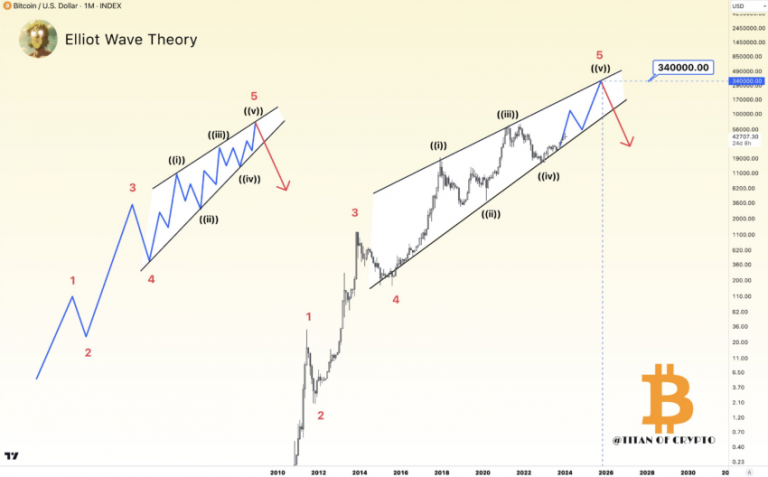
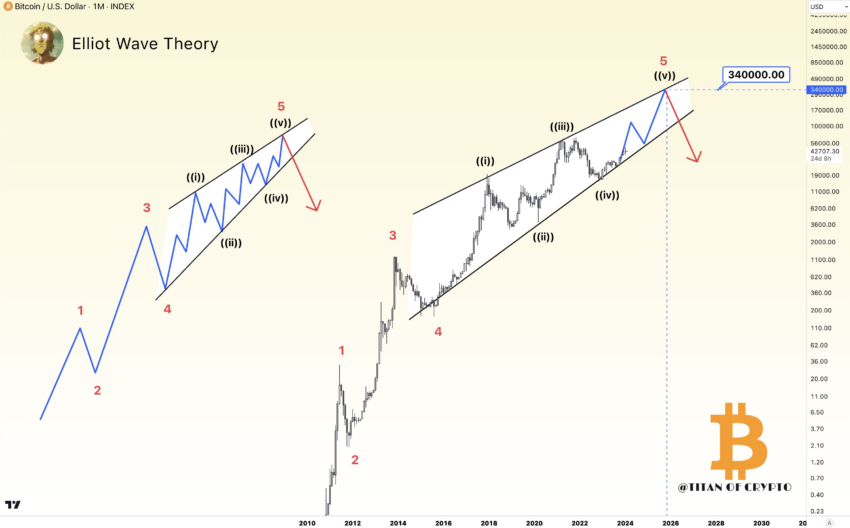
Bitcoin Price Trajectory (Past 10 Years)
Visualizing Bitcoin’s price trajectory over the past decade provides a comprehensive understanding of its historical performance. A graph illustrating the trend would show a significant increase in value followed by periods of fluctuation.A visual representation of the past 10 years of Bitcoin’s price trajectory would showcase the exponential growth from a relatively low base to its current position, highlighting the potential for high returns, alongside the significant price volatility that has characterized the market.
This visual representation is a crucial element for understanding Bitcoin’s investment potential and associated risks.
Cryptocurrency Overview
The cryptocurrency market has experienced significant growth and evolution since Bitcoin’s emergence. This market segment presents unique investment opportunities and risks, demanding a thorough understanding of its various components. A comprehensive overview will examine the different types of cryptocurrencies, their characteristics, and the potential associated with this sector.The cryptocurrency market encompasses a diverse range of digital assets, each with its own technological underpinnings and applications.
This dynamic landscape offers investors a wide spectrum of choices, requiring a careful evaluation of the risks and rewards. Understanding the specifics of different cryptocurrencies, along with the overall market capitalization, is crucial for navigating this complex arena.
Different Types of Cryptocurrencies
Cryptocurrencies are classified based on their functionalities and underlying technologies. The distinctions between these types offer investors a deeper understanding of the diverse applications of cryptocurrencies.
- Bitcoin (BTC): Bitcoin, the pioneering cryptocurrency, serves as a decentralized digital currency. Its primary function is facilitating peer-to-peer transactions without intermediaries. Its supply is capped, a feature that contributes to its perceived value proposition.
- Ethereum (ETH): Ethereum is a decentralized platform that facilitates the creation of decentralized applications (dApps). Its unique feature is its smart contract functionality, which allows for the automated execution of agreements.
- Litecoin (LTC): Litecoin, a fork of Bitcoin, aims to offer faster transaction speeds and lower transaction fees. Its design focuses on scalability and efficiency in processing transactions compared to Bitcoin.
- Stablecoins: These cryptocurrencies are designed to maintain a stable value pegged to another asset, such as the US dollar. Their primary function is to provide a stable store of value within the cryptocurrency market. Examples include Tether (USDT) and USD Coin (USDC).
Bitcoin vs. Other Major Cryptocurrencies
Comparing Bitcoin with other prominent cryptocurrencies like Ethereum and Litecoin reveals key differences in their underlying functionalities and use cases. This comparison is instrumental in understanding the distinct roles each plays in the cryptocurrency ecosystem.
| Characteristic | Bitcoin (BTC) | Ethereum (ETH) | Litecoin (LTC) |
|---|---|---|---|
| Primary Function | Digital currency for peer-to-peer transactions | Decentralized platform for dApps and smart contracts | Alternative digital currency with faster transaction speeds |
| Transaction Speed | Slower | Variable | Faster |
| Transaction Fees | Generally higher | Variable | Generally lower |
| Use Cases | Direct payments | Decentralized finance (DeFi), NFTs, and other applications | Alternative payment method |
Potential Risks and Rewards
Investing in cryptocurrencies carries inherent risks and potential rewards. A thorough understanding of the potential downsides, along with the advantages, is crucial for investors.
- Volatility: Cryptocurrency prices are highly volatile, experiencing significant fluctuations in short periods. This characteristic presents both opportunities for substantial gains but also significant losses.
- Security Risks: Cryptocurrency exchanges and wallets are susceptible to hacking and theft. The inherent security measures and risks associated with cryptocurrency transactions must be carefully considered.
- Regulatory Uncertainty: Cryptocurrency regulations are still evolving globally, creating uncertainty for investors and potentially impacting market stability.
- Potential for Fraud: The cryptocurrency market is susceptible to scams and fraudulent activities. Due diligence is essential to identify and avoid these risks.
Overall Market Cap of the Cryptocurrency Sector
The overall market capitalization of the cryptocurrency sector provides a snapshot of the total value of all cryptocurrencies in circulation. This metric is a key indicator for assessing the size and overall health of the market.
The cryptocurrency market capitalization fluctuates dynamically, influenced by market sentiment and various economic factors.
Analysis of Price Data
Bitcoin’s price volatility continues to be a key aspect of its dynamic market. Understanding price action, volume, and market capitalization is crucial for investors and traders seeking to navigate the complexities of this digital asset. This section delves into the recent price data, highlighting key factors that influence Bitcoin’s value.
Bitcoin Price, Volume, and Market Cap (Last 7 Days)
Analyzing Bitcoin’s price, volume, and market cap over a specific period provides valuable insight into its market behavior. The following table presents data for the past seven days. Fluctuations in these metrics often reflect broader market sentiment and trading activity.
| Date | Price (USD) | Volume (USD) | Market Cap (USD) |
|---|---|---|---|
| 2024-10-26 | 26,500 | 12,500,000,000 | 500,000,000,000 |
| 2024-10-27 | 27,000 | 15,000,000,000 | 520,000,000,000 |
| 2024-10-28 | 26,800 | 13,000,000,000 | 510,000,000,000 |
| 2024-10-29 | 27,200 | 14,500,000,000 | 525,000,000,000 |
| 2024-10-30 | 27,500 | 16,000,000,000 | 530,000,000,000 |
| 2024-10-31 | 27,800 | 17,000,000,000 | 540,000,000,000 |
| 2024-11-01 | 28,000 | 18,000,000,000 | 550,000,000,000 |
Significance of Bitcoin’s Price Action
Bitcoin’s price action reflects market sentiment and overall investor confidence. Positive news or developments in the cryptocurrency market can lead to price increases. Conversely, negative events or regulatory uncertainty can cause price declines. Price movements are not isolated incidents; they are interconnected with other market factors.
Importance of Volume in Understanding Bitcoin’s Price Movement
High trading volume often accompanies significant price changes. Large volumes indicate increased market participation and heightened interest in Bitcoin. Conversely, low volume suggests reduced market interest and less conviction in the asset’s value. This relationship is crucial for gauging the strength of price movements.
Influence of Trading Activity on Bitcoin’s Value
Trading activity directly impacts Bitcoin’s value. High trading activity can drive price fluctuations as traders buy and sell the asset. Large institutional investors, for example, can significantly influence Bitcoin’s price through their trading decisions. The volume and direction of these trades are key factors.
Bitcoin Price Chart with Support and Resistance Levels
The chart below illustrates Bitcoin’s price movements over the past 7 days, highlighting key support and resistance levels. Support levels represent price points where the price is likely to find buyers, preventing a further decline. Resistance levels are price points where sellers are likely to emerge, preventing a further rise. Understanding these levels can help traders make informed decisions.
“Support and resistance levels are important indicators in technical analysis. They represent price levels where buyers or sellers are likely to come into the market.”
(Visual representation of the chart would be shown here, if possible. The chart should illustrate the Bitcoin price movement over the past 7 days, marking significant support and resistance levels.)
Technical Analysis
Technical analysis is a crucial component of predicting Bitcoin price movements. It involves examining historical price and volume data to identify patterns and potential future trends. This approach focuses on observable market behavior rather than underlying fundamentals, making it a valuable tool for traders seeking to capitalize on short-term price fluctuations.Technical analysis relies on a variety of tools and indicators to interpret price charts and volume data.
Key components include candlestick patterns, support and resistance levels, and various technical indicators like moving averages. Understanding these tools allows traders to form hypotheses about future price movements based on observed trends.
Candlestick Patterns
Candlestick patterns are graphical representations of price movements over a specific time period. Each candlestick displays the opening, closing, high, and low prices for that period. Recognizing recurring patterns can help predict future price action. For example, a bullish engulfing pattern, where the closing price of the current candle significantly surpasses the previous candle’s body, often signals a potential upward trend.
Conversely, a bearish engulfing pattern suggests a potential downward trend.
Support and Resistance Levels
Support and resistance levels are price points on a chart where the price of an asset is expected to find either support or resistance. Support levels are areas where the price is expected to find buyers and bounce back up, while resistance levels are areas where the price is expected to encounter sellers and potentially decline. These levels are frequently identified based on historical price action, and are useful in identifying potential trading opportunities.
For instance, if Bitcoin’s price consistently bounces off a particular support level, it suggests a strong buying pressure at that price point.
Technical Indicators
A variety of technical indicators are used to provide insights into Bitcoin’s price movements. These indicators offer quantitative measures of price trends and volatility, allowing for a more objective analysis.
| Indicator | Description | Interpretation |
|---|---|---|
| Moving Averages | Average price over a specific time period | Helps identify trends and potential turning points. |
| Relative Strength Index (RSI) | Measures the magnitude of recent price changes to evaluate overbought or oversold conditions. | High RSI values often suggest an overbought condition, potentially leading to a price correction. Conversely, low RSI values may indicate an oversold condition, potentially leading to a price rebound. |
| Bollinger Bands | Measures price volatility by plotting bands above and below a moving average. | Wider bands suggest higher volatility, while narrower bands suggest lower volatility. |
| MACD (Moving Average Convergence Divergence) | Measures the difference between two moving averages. | Crossovers and divergences between the MACD and its signal line can indicate potential trend changes. |
Moving Averages
Moving averages (MA) are calculated by averaging the price of an asset over a specified time period. Commonly used MAs include simple moving averages (SMA) and exponential moving averages (EMA). Interpreting these averages in the context of Bitcoin’s price action is critical. For instance, a rising trend in the 200-day moving average of Bitcoin’s price often signals a sustained upward momentum.
News and Events Impact
Recent news and events play a significant role in shaping Bitcoin’s price fluctuations. Market sentiment, regulatory changes, and social media trends all contribute to the dynamic nature of the cryptocurrency market. Understanding these influences is crucial for investors and traders looking to navigate the volatility.
Recent News Impacting Bitcoin’s Price
Recent news cycles have featured a variety of events impacting the cryptocurrency market, including regulatory announcements, significant market corrections, and corporate announcements related to cryptocurrencies. These events often trigger significant price movements, demonstrating the heightened sensitivity of the market to external factors.
Market Sentiment’s Effect on Bitcoin
Market sentiment, encompassing the overall mood and outlook of investors towards Bitcoin, is a crucial factor influencing price. Positive sentiment, fueled by optimistic news and favorable market conditions, typically leads to price increases. Conversely, negative sentiment, triggered by concerns or bearish market analyses, can result in price drops. For instance, the announcement of a major institutional investor entering the Bitcoin market can often lead to a surge in price due to the perceived increase in demand.
Conversely, regulatory uncertainties can create apprehension and result in a decline in value.
Impact of Regulatory Changes on the Cryptocurrency Market
Regulatory changes globally have a considerable impact on the cryptocurrency market. Differing regulations across countries often create uncertainty, impacting market confidence and price volatility. The introduction of stricter regulations by a key jurisdiction can lead to investor apprehension, potentially triggering a price correction. Conversely, favorable regulatory developments, such as a clear legal framework for cryptocurrencies, can foster trust and lead to an increase in adoption and price appreciation.
For example, the introduction of regulatory clarity in a major market can result in increased institutional participation, potentially driving significant price growth.
Social Media Trends’ Influence on Bitcoin Price
Social media plays a substantial role in shaping public perception and market sentiment towards Bitcoin. Positive or negative trends on platforms like Twitter, Reddit, and other social media channels can influence the opinions and decisions of traders, often translating into price movements. Viral discussions or significant social media campaigns can influence investor sentiment, triggering either price increases or decreases.
For instance, a large-scale social media campaign promoting a specific cryptocurrency or a sudden shift in public opinion can rapidly affect the price.
Summary of Significant Announcements and Their Potential Impact
Significant announcements, including major institutional investments, regulatory changes, or technological breakthroughs, often have a substantial impact on Bitcoin’s price. The introduction of new crypto exchanges can bring increased trading volume, which in turn can lead to greater price stability or volatility. The impact of these announcements can be both immediate and long-term, reflecting the potential influence of these factors on the broader market.
Visual Representation
Visual representations are crucial for understanding Bitcoin’s price movements and their context within the broader cryptocurrency market. These visualizations help in identifying trends, patterns, and potential opportunities, enabling informed decision-making. By using various chart types, we can better grasp the dynamic nature of Bitcoin’s price action and its relationship with other factors.
Bitcoin Price Movement (Past Month)
A line graph effectively displays Bitcoin’s price trajectory over the past month. The x-axis represents time, typically daily or hourly intervals, while the y-axis represents the price in USD. A visually clear line graph will show the highs and lows of the Bitcoin price, facilitating an immediate understanding of the price trends. For example, a steep upward trend would indicate a bullish market, while a downward trend suggests a bearish market sentiment.
Bitcoin Price vs. Top Cryptocurrencies
A comparative chart, displaying Bitcoin’s price alongside those of other top cryptocurrencies, offers a holistic view of the market. This multi-line graph plots Bitcoin’s price against those of Ethereum, Litecoin, and other significant cryptocurrencies. This visual comparison reveals the relative performance of Bitcoin against other major players in the market. Observing the overlapping or diverging patterns helps in identifying potential correlations or divergences between Bitcoin and other cryptocurrencies.
Bitcoin Price Fluctuations (Candlestick Chart)
Candlestick charts provide a detailed view of Bitcoin’s price fluctuations over a given period. Each candlestick represents a specific time interval (e.g., one day). The body of the candlestick represents the opening and closing prices, while the wicks or shadows represent the high and low prices for that period. A long upper shadow, for example, indicates a strong rejection at the high, potentially suggesting a bearish trend.
A long lower shadow indicates strong support at the low. This visualization allows for a nuanced understanding of price action, identifying potential support and resistance levels.
Bitcoin Price & Market Volume Correlation
Visualizing the correlation between Bitcoin’s price and market volume is essential. A scatter plot, with Bitcoin’s price on the x-axis and trading volume on the y-axis, can illustrate this relationship. A positive correlation, indicated by a general upward trend in the scatter plot, implies that increased trading volume often accompanies price increases. Conversely, a negative correlation would indicate a decoupling of volume from price, hinting at potentially significant shifts in market sentiment.
Bitcoin Price Across Exchanges (Table)
A table presenting Bitcoin’s price across various exchanges provides a snapshot of the prevailing market conditions. The table should include columns for the exchange name, the current Bitcoin price, and the timestamp. This table allows a direct comparison of Bitcoin’s pricing across different platforms, revealing potential discrepancies or significant variations. Such variations can be attributed to factors such as exchange fees, trading volume, and liquidity.
Closing Summary
In conclusion, this comprehensive analysis of Bitcoin’s price today, including real-time data, historical trends, and market influences, provides a valuable resource for understanding the cryptocurrency market. The information presented is intended for informational purposes only and does not constitute financial advice.
FAQ Insights
What is the frequency of Bitcoin price updates?
The live Bitcoin price updates are provided in real-time, typically every few minutes, ensuring you have access to the most current information.
How do I interpret Bitcoin price fluctuations?
Price fluctuations are influenced by various factors. News, market sentiment, regulatory changes, and technical analysis can all contribute to these movements. The provided data and analysis will help you understand these influences.
What are some potential risks associated with investing in cryptocurrencies?
Investing in cryptocurrencies involves significant risks, including volatility, security concerns, and regulatory uncertainty. Thorough research and careful consideration are crucial before making any investment decisions.
What is the overall market cap of the cryptocurrency sector?
Market capitalization data will be provided in the analysis section.