April 18, 2026

blockchain

Cryptocurrencies, particularly Bitcoin, have revolutionized finance, sparking both excitement and apprehension. This exploration delves into the world of Bitcoin, examining its technical underpinnings, market dynamics, and practical applications. We’ll also address the associated risks and challenges, providing a comprehensive overview for both seasoned investors and newcomers.

From its inception as a decentralized digital currency to its current status as a major asset class, Bitcoin has seen dramatic shifts in value and adoption. This report will illuminate the factors that influence its price fluctuations and the diverse ways it’s being used in the modern financial landscape.

Introduction to Cryptocurrencies

The cryptocurrency market has undergone significant evolution since its inception, transforming from a niche concept to a global phenomenon. Its decentralized nature and potential for disruptive innovation have captivated investors and technologists alike. Key players in this dynamic landscape have shaped its trajectory, from early adopters to established institutions.The fundamental principles behind cryptocurrencies like Bitcoin revolve around decentralized digital ledgers, known as blockchains.

These blockchains record and verify transactions transparently, eliminating the need for intermediaries. Cryptocurrencies rely on cryptography to secure transactions and maintain the integrity of the system. This decentralized, secure, and transparent nature is a core differentiator from traditional financial systems.

Different Types of Cryptocurrencies

Beyond Bitcoin, a diverse array of cryptocurrencies exists, each with its unique characteristics and functionalities. These alternative cryptocurrencies often focus on specific use cases or improvements to the existing Bitcoin framework. The variety of cryptocurrencies reflects the broad spectrum of applications and potential within this technology.

Comparison of Major Cryptocurrencies

The following table compares Bitcoin, Ethereum, and Litecoin, highlighting their key characteristics:

Name Market Cap (approximate, in USD) Use Case
Bitcoin (BTC) Several hundred billion USD (highly variable) Primary cryptocurrency, often used as a store of value and medium of exchange. Widely accepted as a form of payment.
Ethereum (ETH) Several tens of billions USD (highly variable) Focuses on decentralized applications (dApps) and smart contracts, facilitating various blockchain-based services.
Litecoin (LTC) Several billions USD (highly variable) Designed to be a faster and more scalable alternative to Bitcoin, prioritizing transaction speed.

Note: Market capitalization figures are subject to significant fluctuations and should be considered estimates.

Bitcoin’s Technical Aspects

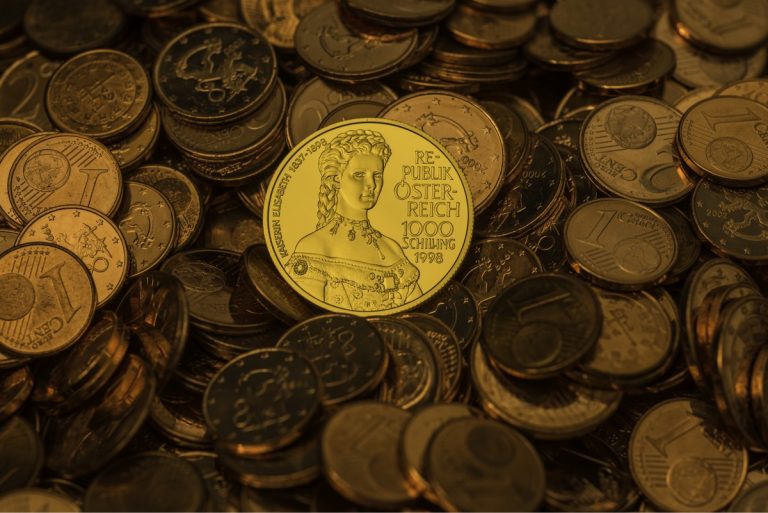
Free Images : leaf, pattern, pollen, museum, metal, money, currency ...

Bitcoin’s technical architecture, underpinned by its blockchain, is a crucial element in its functionality and security. This intricate system allows for secure and transparent transactions, facilitating the operation of the cryptocurrency. Understanding its components and processes is key to comprehending the nature of Bitcoin.The core of Bitcoin’s operation rests on its blockchain, a continuously growing list of records, called blocks, that are linked together.

Each block contains a batch of transactions, timestamped and cryptographically secured to the previous block. This ensures immutability and a tamper-proof record of all transactions. The distributed nature of the blockchain further enhances security, as no single entity controls the network.

Bitcoin’s Blockchain

The Bitcoin blockchain is a distributed, public ledger that records every transaction made on the network. This shared record is accessible to all participants, promoting transparency and trust. The chronological ordering of blocks ensures the integrity of the transaction history. Crucially, each block is linked to the preceding one, forming an unbreakable chain. This immutability is a cornerstone of Bitcoin’s security.

Consensus Mechanisms

Bitcoin employs a Proof-of-Work (PoW) consensus mechanism. This mechanism involves miners competing to solve complex mathematical problems. The first miner to solve the problem adds the next block to the blockchain, earning newly created Bitcoin as a reward. This process incentivizes network participation and ensures the integrity of the transaction ledger.

Transaction Verification and Security

Bitcoin transactions are verified by the network of nodes through cryptographic validation. Each transaction is digitally signed using public-key cryptography, ensuring its authenticity. This digital signature is verified by the network, ensuring that only authorized parties can spend Bitcoin. The distributed nature of the network and the use of cryptographic hashing make tampering with transactions computationally infeasible.

Key Components of the Bitcoin Network

Component Function Security Measures
Blockchain Stores and records all Bitcoin transactions in a chronologically ordered, immutable ledger. Cryptographic hashing links blocks, preventing alteration. Decentralized nature ensures no single point of failure.
Nodes Validate transactions, propagate blocks, and maintain a copy of the blockchain. Distributed network structure ensures robustness and resilience against attacks.
Miners Solve complex mathematical problems to add new blocks to the blockchain. Proof-of-Work mechanism incentivizes honest participation and secures the network.
Transactions Represent the movement of Bitcoin from one address to another. Digital signatures using public-key cryptography verify authenticity.
Public Key Cryptography Enables secure and verifiable transactions by employing digital signatures. Ensures only authorized parties can spend Bitcoin.

Bitcoin’s Market Dynamics

Bitcoin’s price has exhibited significant volatility since its inception, making it a fascinating and challenging asset class to analyze. Understanding the factors driving these price fluctuations is crucial for both investors and traders seeking to navigate the cryptocurrency market. This section delves into the historical price trends, compares Bitcoin’s volatility to other assets, and identifies key influences on its value.Bitcoin’s price has seen periods of substantial growth and sharp declines.

Early adoption and technological advancements contributed to periods of rapid appreciation, while regulatory uncertainties and market corrections have led to substantial drops. This dynamic behavior highlights the inherent risks and opportunities associated with investing in Bitcoin.

Bitcoin’s Price Fluctuations Over Time

Bitcoin’s price has experienced dramatic fluctuations since its emergence. Early adopters witnessed rapid gains, but the price has also experienced significant corrections and periods of consolidation. These fluctuations are a key characteristic of the cryptocurrency market, requiring investors to understand the market’s dynamic nature and potential for substantial price swings.

Comparison of Bitcoin’s Price Volatility with Other Asset Classes

Bitcoin’s price volatility often exceeds that of traditional asset classes like stocks or bonds. This high volatility is a defining characteristic of cryptocurrencies, presenting both heightened risk and potentially higher reward. While stocks can experience significant fluctuations, the magnitude and frequency of Bitcoin’s price swings are typically more pronounced. This difference stems from factors such as the relative newness of Bitcoin, limited regulatory frameworks, and the highly speculative nature of the market.

Factors Influencing Bitcoin’s Price

Several factors contribute to Bitcoin’s price fluctuations. These include market sentiment, regulatory developments, technological advancements, and overall economic conditions. Understanding these interconnected factors is critical to assessing the potential for price movement.

Top 5 Factors Affecting Bitcoin’s Price

Rank Factor Description
1 Market Sentiment Investor confidence and overall perception of Bitcoin’s value significantly impact its price. Positive news and strong investor interest tend to drive prices upward, while negative sentiment or concerns can lead to declines. Examples include prominent endorsements or negative media coverage.
2 Regulatory Developments Government regulations, especially those concerning cryptocurrency trading and usage, can influence investor behavior and market sentiment. Clear regulatory frameworks can instill confidence, while uncertainty or restrictive policies can cause price drops. For example, the implementation of specific taxes or trade restrictions can drastically impact trading volume and prices.
3 Technological Advancements Innovations in blockchain technology and Bitcoin’s underlying protocol can impact its adoption and perceived value. Improvements in transaction speed, security, or scalability can lead to price increases. Conversely, vulnerabilities or weaknesses can trigger sell-offs. A prime example is the development of lightning networks to increase transaction speed.
4 Overall Economic Conditions Global economic events and trends, including interest rates, inflation, and economic growth, play a significant role in influencing Bitcoin’s price. Strong economic growth often correlates with investor confidence, driving up asset prices. Conversely, economic downturns can lead to uncertainty and price drops. This relationship is complex, with no definitive causality.
5 Adoption and Usage The increasing adoption of Bitcoin by businesses, consumers, and financial institutions can positively impact its price. Widespread adoption suggests growing confidence in the cryptocurrency’s potential. For example, the acceptance of Bitcoin for certain payments can accelerate its integration into the broader financial ecosystem.

Bitcoin Adoption and Use Cases

Bitcoin’s journey from a niche digital currency to a more mainstream consideration reflects a growing acceptance by both businesses and individuals. Its decentralized nature and potential for innovative applications have captured attention beyond simple peer-to-peer transactions. Understanding its role in the evolving financial landscape requires examining how it’s adopted and used across various sectors.

Business Adoption

Businesses are increasingly recognizing Bitcoin’s potential for enhancing their operations and expanding their reach. Direct adoption often involves accepting Bitcoin as payment, enabling transactions with customers globally and potentially reducing transaction costs. Some businesses have integrated Bitcoin into their core operations, facilitating internal processes and providing unique value propositions to their clients.

Individual Adoption

Individual adoption of Bitcoin is driven by various motivations, ranging from investment opportunities to a desire for financial independence. A significant portion of individuals are drawn to the potential for high returns, while others see it as a hedge against inflation or a means of diversifying their investment portfolios. Increased awareness and accessibility, through user-friendly platforms, have contributed to wider adoption among the general public.

Use Cases Beyond Transactions

Bitcoin’s applications extend beyond its initial function as a medium of exchange. It is increasingly being used for various purposes, reflecting its potential as a store of value and a decentralized financial tool. The potential for micropayments, remittances, and international transactions with reduced fees are driving further exploration of its capabilities.

Table of Diverse Bitcoin Use Cases

Use Case Description Example
Remittances Facilitating cross-border money transfers with lower fees and faster processing compared to traditional methods. Sending money to family overseas, avoiding high bank transfer fees.
Micropayments Enabling small-value transactions, useful for digital content, online services, or subscriptions. Paying for individual songs or articles on a digital platform.
Investment Bitcoin’s value can fluctuate, presenting potential for substantial gains or losses, depending on market trends. Investing in Bitcoin as part of a diversified portfolio.
International Trade Facilitating international trade by providing a way to reduce transaction fees and expedite payments. A business in one country making payments to a business in another.
Hedge Against Inflation Bitcoin’s decentralized nature and limited supply could potentially act as a hedge against inflation in traditional currencies. Holding Bitcoin as a form of protection against rising prices in the local currency.

Bitcoin’s Role in the Financial World

Bitcoin’s influence on the financial world is multifaceted. It’s challenging traditional financial systems by introducing a decentralized alternative, while also driving innovation and exploration of new financial instruments. Its impact on global financial systems is still evolving and subject to ongoing scrutiny and development.

Buying Bitcoin

Acquiring Bitcoin involves navigating various methods and considerations. Understanding the process, security protocols, and platform choices is crucial for a safe and informed investment. This section details the practical steps involved in purchasing Bitcoin, highlighting key factors to keep in mind.

Methods for Purchasing Bitcoin

Different avenues exist for acquiring Bitcoin, each with unique characteristics. Common methods include exchanges and ATMs. Exchanges provide a centralized platform for trading Bitcoin and other cryptocurrencies, while ATMs allow for direct purchases using fiat currency. Choosing the right method depends on individual needs and preferences.

Security Measures in Bitcoin Purchases

Ensuring the security of Bitcoin purchases is paramount. Robust security measures are essential to protect against potential threats. These measures encompass using strong passwords, enabling two-factor authentication, and regularly monitoring account activity. Utilizing reputable platforms with strong security protocols is a key component. Furthermore, understanding and adhering to the platform’s security guidelines is vital.

Factors to Consider When Choosing a Bitcoin Platform

Several factors influence the selection of a Bitcoin purchasing platform. These include transaction fees, security measures, available features, and user experience. Comparing platforms based on these aspects is critical to selecting a platform that best suits individual needs. User reviews and platform reputation can also be helpful.

Step-by-Step Guide for Buying Bitcoin

This guide Artikels the process of buying Bitcoin, emphasizing potential risks.

1. Research and Selection

Thoroughly research different Bitcoin exchanges and ATMs, considering factors like fees, security, and user reviews. Assess your comfort level with the chosen platform’s complexity.

2. Account Creation

Create an account on the selected platform, providing accurate and complete information. Ensure compliance with the platform’s KYC (Know Your Customer) requirements.

3. Funding the Account

Deposit funds into your account using a supported payment method. Confirm the transaction details meticulously to prevent errors.

4. Bitcoin Purchase

Initiate the Bitcoin purchase by specifying the desired amount. Review the transaction details carefully before finalizing the purchase.

5. Transaction Confirmation

Verify the transaction confirmation and ensure the Bitcoin is successfully credited to your account. Monitor the transaction status until complete.

6. Security Measures

Implement strong passwords, enable two-factor authentication, and regularly monitor your account activity for any suspicious activity. Be wary of phishing attempts and scams.

7. Storage

Securely store your Bitcoin using a reputable wallet. Avoid storing large amounts of Bitcoin directly on the exchange.

Risks Associated with Buying Bitcoin

Investing in Bitcoin carries inherent risks, including market volatility and security vulnerabilities. Market fluctuations can lead to significant gains or losses. Security breaches, fraudulent activities, and regulatory changes are potential threats to investor capital.

Comparison of Popular Bitcoin Exchanges

Exchange Fees Security Features
Binance Variable, tiered Strong reputation, multi-factor authentication Extensive trading options, large volume
Coinbase Variable, tiered Strong security measures, user-friendly interface User-friendly interface, beginner-focused
Kraken Variable, tiered Robust security protocols, advanced features Advanced trading tools, institutional options

Risks and Challenges Associated with Bitcoin

Bitcoin, despite its potential, presents significant risks for users. Understanding these challenges is crucial for making informed decisions about involvement in the cryptocurrency market. From security vulnerabilities to regulatory uncertainties, a thorough examination of these factors is essential to mitigate potential losses.

Security Risks of Bitcoin

Bitcoin transactions, while generally secure, are susceptible to various threats. These include vulnerabilities in the underlying blockchain technology, which, though secure, can still be susceptible to exploits. Moreover, user accounts and wallets are susceptible to hacking and theft, particularly through phishing scams and malware attacks. This underscores the importance of robust security measures for safeguarding Bitcoin holdings.

Potential Vulnerabilities and Threats to Bitcoin Users

Several factors expose Bitcoin users to vulnerabilities. These include phishing scams that attempt to trick users into revealing their private keys or login credentials. Malware can infect devices, stealing sensitive information. Furthermore, the decentralized nature of Bitcoin can lead to issues with regulatory oversight, potentially increasing the risk of fraud. The decentralized nature, while a strength, also means users bear more responsibility for security.

Regulatory Challenges Facing Bitcoin

The regulatory landscape surrounding Bitcoin is evolving and complex. Different jurisdictions have adopted varying approaches to regulating cryptocurrencies, leading to uncertainty and potential inconsistencies. This lack of standardized regulations can make it difficult for businesses to operate and for users to navigate the legal implications of Bitcoin transactions. The inconsistent regulatory environment can also hinder widespread adoption.

Potential Scams and Fraudulent Activities Related to Bitcoin

The anonymity and relative newness of Bitcoin make it an attractive target for scams. Numerous fraudulent activities, ranging from pump-and-dump schemes to fake exchanges and investment opportunities, target unsuspecting investors. These scams often exploit the lack of regulatory oversight, preying on the desire for quick profits.

Common Bitcoin Scams and How to Avoid Them

Bitcoin scams often leverage psychological vulnerabilities, preying on greed or fear. They typically promise unrealistic returns or highlight urgent investment opportunities. Scammers frequently employ social engineering tactics, building trust before demanding payment. Many scams rely on convincing narratives and create a sense of urgency.

  • Fake Investment Schemes: These schemes promise substantial returns with minimal risk. They often involve unregistered platforms or individuals posing as experts. Be wary of any investment opportunity that seems too good to be true. Always research the platform and individuals involved thoroughly before committing any funds.
  • Phishing Scams: Phishing attacks attempt to trick users into revealing their private keys or login credentials. Be cautious of emails or messages requesting personal information, especially those that create a sense of urgency or imply an urgent problem.
  • Pump-and-Dump Schemes: These schemes involve artificially inflating the price of a cryptocurrency before selling it off to generate profits at the expense of other investors. Research thoroughly before investing in any cryptocurrency.
  • Fake Exchanges: Fraudulent exchanges mimic legitimate platforms, luring users to deposit funds. Verify the legitimacy of the exchange before using it. Look for security certifications and positive user reviews.

Future of Bitcoin

Bitcoin’s trajectory is a subject of much discussion and speculation. While its past performance is undeniable, predicting its future is complex, influenced by technological advancements, regulatory changes, and market sentiment. Understanding the potential developments and evolving role of Bitcoin in the financial landscape is crucial for anyone considering investment or involvement.

Potential Future Developments

Bitcoin’s evolution is likely to be shaped by ongoing technological innovations and regulatory frameworks. The development of more efficient consensus mechanisms and scalability solutions could lead to increased transaction throughput and reduced transaction fees. Improved security protocols and enhanced privacy features could also bolster user confidence and adoption.

Evolving Role in the Financial Ecosystem

Bitcoin’s role in the financial ecosystem is constantly evolving. Its potential as a store of value, a medium of exchange, and a decentralized payment system is being explored and tested. Integration with traditional financial institutions and mainstream payment platforms is a key aspect of its future role, potentially impacting how individuals and businesses interact with financial systems. Bitcoin’s role in microtransactions, cross-border payments, and remittances is also likely to gain importance.

Impact of New Technologies

Emerging technologies like blockchain, artificial intelligence, and quantum computing could significantly impact Bitcoin’s future. Blockchain technology, the underlying framework of Bitcoin, will continue to evolve, potentially with new applications and use cases. Artificial intelligence could play a role in optimizing trading strategies and security protocols. Quantum computing, while still in its early stages, poses a theoretical risk to the security of current cryptographic systems, although solutions are being developed.

Predictions on Potential Future Value

Predicting Bitcoin’s future value is challenging and speculative. Past performance is not indicative of future results. Several factors influence the price, including market sentiment, regulatory developments, and technological advancements. Bitcoin’s value is likely to fluctuate, reflecting the inherent volatility of the cryptocurrency market. Comparing its trajectory to other assets, like gold, is often discussed, although direct parallels are not always accurate.

The cryptocurrency market is relatively new, and long-term predictions are inherently uncertain.

Closure

In conclusion, Bitcoin’s journey has been nothing short of transformative. Its unique features, coupled with its inherent volatility, have made it a compelling subject for analysis. This comprehensive look at Bitcoin, from its technical architecture to its potential future, aims to equip readers with a deeper understanding of this rapidly evolving asset class.

Question & Answer Hub

What are the primary security risks associated with Bitcoin?

Security risks in Bitcoin include phishing scams, malware attacks targeting wallets, and vulnerabilities in exchange platforms. Users must diligently verify the legitimacy of transactions and platforms to mitigate these risks.

What are some common Bitcoin scams, and how can they be avoided?

Common Bitcoin scams include fake investment opportunities, fraudulent exchanges, and impersonation. Users should thoroughly research any investment opportunity and only engage with reputable exchanges. Always verify the identity of individuals claiming to assist with transactions. Be cautious of unsolicited messages promising high returns.

What are the different ways to buy Bitcoin?

Bitcoin can be purchased through various channels, including cryptocurrency exchanges, peer-to-peer marketplaces, and Bitcoin ATMs. Choosing a reputable platform with robust security measures is crucial.

What factors influence Bitcoin’s price?

Several factors influence Bitcoin’s price, including market sentiment, regulatory developments, technological advancements, and overall economic conditions.

As we dive into bitcoin news Wednesday, the landscape is ever-evolving with intriguing developments that keep investors on their toes. From fluctuating prices to significant news events, there’s a lot to unpack that shapes the current market dynamics surrounding Bitcoin.

This week has seen notable price movements and trading volumes, fueled by recent regulatory news and technological advancements that could redefine Bitcoin’s future. Let’s explore how these factors interplay and what they mean for investors and enthusiasts alike.

Current Trends in Bitcoin

As of this Wednesday, Bitcoin has been making waves in the cryptocurrency market, with significant fluctuations in its price. Understanding these movements is crucial for traders and investors alike. Recent price movements have shown Bitcoin fluctuating around the $30,000 mark, with trading volumes reflecting increased activity. The market capitalization remains strong, indicating a healthy interest in Bitcoin despite recent market volatility.

Factors such as macroeconomic conditions, regulatory news, and investor sentiment are currently influencing Bitcoin’s market behavior, making it a dynamic asset to watch.

Major News Events Impacting Bitcoin

Today, several key news stories have emerged that significantly impact Bitcoin’s standing.

  • The announcement of regulatory discussions in Europe has stirred interest, particularly regarding compliance and taxation policies for digital assets.
  • A major partnership between a leading tech firm and a cryptocurrency exchange has been revealed, aiming to enhance transaction efficiency and security.
  • Speculation around potential ETF approvals is gaining traction, with analysts predicting positive implications for Bitcoin’s mainstream adoption.

Bitcoin’s Performance Compared to Other Cryptocurrencies

In comparison to other leading altcoins this Wednesday, Bitcoin has demonstrated resilience. Market sentiment shows a preference for Bitcoin among investors, as many are reevaluating their positions in lesser-known cryptocurrencies. Notable shifts in investment strategies indicate that while many altcoins are losing ground, Bitcoin is seeing a steady inflow of capital. This trend reflects a growing confidence in Bitcoin as a hedge against market uncertainties.

Expert Opinions and Predictions

Industry experts are weighing in on Bitcoin’s future outlook with a mix of optimism and caution. Some experts predict that Bitcoin could reach new highs in the coming weeks, leveraging its historical trends and increasing adoption rates. Others are more conservative, pointing to potential regulatory hurdles and market corrections that could temper growth. Current forecasts suggest that Bitcoin may hover between $30,000 and $35,000, depending on broader market trends and geopolitical events.

Technical Analysis of Bitcoin

Technical indicators currently being utilized to analyze Bitcoin include moving averages and Relative Strength Index (RSI).

Indicator Current Value Interpretation
50-Day Moving Average $28,500 Support Level
200-Day Moving Average $32,000 Resistance Level
RSI 55 Neutral

Critical support is identified at $28,500, while resistance is noted at $32,000. These levels are essential for traders to watch as they navigate the current market.

Community Sentiment and Social Media Trends

Social media discussions surrounding Bitcoin this Wednesday reflect a predominantly positive sentiment. Key hashtags such as #BitcoinRecovery and #BTCbulls are trending on platforms like Twitter, indicating growing enthusiasm among the community. Engagement levels have surged, with many followers sharing insights, analyses, and personal trading experiences, showcasing the vibrant community surrounding Bitcoin.

Global Economic Factors Affecting Bitcoin

This week’s economic events, including inflation rate announcements and interest rate decisions by central banks, could significantly influence Bitcoin pricing. Inflation concerns are prompting investors to consider Bitcoin as a potential store of value. Additionally, shifts in interest rates may alter investment flows, impacting Bitcoin’s appeal as an alternative asset amidst traditional market fluctuations.

Blockchain Technology Developments

Recent advancements in blockchain technology are playing a crucial role in Bitcoin’s evolution. Improvements in scalability and transaction speeds are being actively developed, which could enhance Bitcoin’s usability and adoption rates. For instance, the integration of layer two solutions is expected to facilitate faster transactions, catering to increased user demand for efficiency in digital transactions. New applications that leverage Bitcoin’s blockchain are also being explored, potentially broadening its use cases beyond mere currency.

End of Discussion

In summary, the insights gathered from bitcoin news Wednesday highlight the complex interactions between market trends, regulatory changes, and technological progress. As we look ahead, staying informed will be crucial for making savvy investment decisions and understanding Bitcoin’s evolving role in the global economy.

Question Bank

What are the recent price trends for Bitcoin?

Bitcoin has experienced significant fluctuations recently, with price movements influenced by market sentiment and external news.

How do regulatory changes affect Bitcoin?

Regulatory developments can impact Bitcoin’s price and adoption, leading to shifts in investor confidence and market behavior.

What should investors watch for in Bitcoin’s performance?

Investors should pay attention to trading volumes, market capitalization, and expert predictions for future price movements.

How does Bitcoin compare to other cryptocurrencies?

Bitcoin often leads the market; however, its performance can vary compared to altcoins, influenced by investor sentiment and market trends.

What are some key factors influencing Bitcoin’s market behavior?

Market behavior is influenced by economic conditions, regulatory news, community sentiment, and technological advancements.

Buying bitcoin with ACH payment opens the door to a seamless and efficient way to enter the cryptocurrency world. ACH, or Automated Clearing House, provides a secure and low-cost method for transferring funds directly from your bank account, making it an appealing choice for many investors. In this guide, we’ll delve into the intricate details of ACH payments in the context of cryptocurrency, uncovering the benefits and processes involved in purchasing bitcoin.

From understanding how ACH payments work to exploring the best practices and regulatory considerations, we’ll provide you with a comprehensive overview that not only informs but also empowers you to make confident decisions in your cryptocurrency journey. So let’s get started!

Understanding ACH Payments

ACH (Automated Clearing House) payments are a type of electronic fund transfer that facilitates the movement of money between bank accounts in the United States. This system allows for various transactions, such as direct deposits, bill payments, and funds transfers. When it comes to buying Bitcoin, ACH payments serve as a reliable and efficient method for transferring funds to cryptocurrency exchanges, enabling users to invest in Bitcoin and other digital assets seamlessly.The way ACH payments function involves a series of transactions processed through a network that connects banks and financial institutions.

When a buyer initiates a transaction, their bank verifies the funds, and once approved, the requested amount is electronically transferred to the seller’s bank, usually taking one to three business days. This process is particularly advantageous in the context of cryptocurrency transactions, where speed and security are paramount.

Advantages of ACH Payments for Buying Bitcoin

ACH payments offer several benefits for individuals looking to purchase Bitcoin. Understanding these advantages can help buyers make informed decisions when choosing their payment methods.

  • Low Transaction Fees: Compared to credit card transactions or wire transfers, ACH payments typically incur lower fees. This is beneficial for buyers making large purchases, as it can significantly reduce overall costs.
  • Security: ACH payments are subject to strict regulations and compliance standards, making them a secure option for transferring funds. Since transactions require verification through banks, the risk of fraud is minimized.
  • Convenience: ACH payments allow buyers to link directly to their bank accounts, making the purchasing process simple and straightforward. This ease of use can enhance the overall experience for new and seasoned investors alike.
  • Direct Wallet Transfers: Many cryptocurrency exchanges accept ACH transfers, enabling users to deposit funds directly into their wallets. This streamlined approach simplifies the buying process.

Comparison of ACH Payments with Other Payment Methods

When purchasing Bitcoin, it’s essential to consider how ACH payments stack up against other common payment methods like credit cards, wire transfers, and digital wallets. Each option has its own set of advantages and disadvantages.ACH payments stand out in the following ways:

  • Speed: While credit card transactions are typically processed instantly, ACH transfers can take a few days. However, they are still faster than wire transfers, which can take longer to clear.
  • Cost-Effectiveness: Credit cards often come with higher transaction fees, which can deter buyers from making larger purchases. In contrast, ACH payments remain economical, even for significant amounts.
  • Chargeback Risks: Credit cards allow for chargebacks, which can be problematic in cryptocurrency transactions. ACH payments, however, do not offer this option, providing sellers with more assurance once a transaction is completed.
  • Accessibility: While digital wallets can offer instant transactions, not all wallets are compatible with every exchange. ACH payments are universally accepted by most platforms, making them versatile for users.

“ACH payments combine security, low fees, and convenience, making them a preferred choice for purchasing Bitcoin.”

Steps to Buy Bitcoin with ACH Payment

To purchase Bitcoin using ACH payment, you need to follow a systematic approach that ensures security and compliance with the necessary regulations. ACH, or Automated Clearing House, is a widely used electronic payment method that allows users to transfer funds directly between bank accounts. This method is attractive for buying Bitcoin due to its low fees and convenience.The process to buy Bitcoin with ACH payments typically involves several steps, from selecting a cryptocurrency exchange to completing the purchase.

It is essential to understand the documentation and verification requirements to ensure smooth transactions. Below are the specific steps to effectively navigate this process.

Detailed Steps to Purchase Bitcoin with ACH Payment

First, select a cryptocurrency exchange that accepts ACH payments. This choice is crucial because various exchanges have different policies, fees, and user experiences. Once you have identified a suitable exchange, you can proceed through the following steps:

1. Create an Account

Sign up for an account on your chosen exchange. This usually involves providing your email address, creating a password, and agreeing to the terms of service.

2. Verify Your Identity

Most exchanges require you to complete a Know Your Customer (KYC) process. This often includes submitting a government-issued ID, proof of address, and possibly a selfie to confirm your identity.

3. Link Your Bank Account

Navigate to the payment methods section and link your bank account for ACH transfers. This may require entering your bank’s routing number and your account number.

4. Deposit Funds

Once your bank account is linked and verified, initiate a deposit using ACH. Depending on the exchange, this may take several business days to reflect in your account.

5. Buy Bitcoin

After your funds are available, go to the Bitcoin purchase section of the exchange. Specify the amount of Bitcoin you wish to buy and confirm the transaction.

6. Withdraw Bitcoin to Wallet

For security, it is advisable to transfer your purchased Bitcoin from the exchange to a personal wallet. This step protects your investment from potential exchange hacks.In choosing an exchange, consider the following platforms that accept ACH payments for Bitcoin purchases:

  • Coinbase
  • Gemini
  • Kraken
  • Binance.US
  • Bitstamp

These exchanges not only facilitate ACH payments but also offer robust security measures and a variety of features to enhance user experience.

Documentation and Verification for ACH Transactions

To comply with financial regulations and ensure the security of transactions, exchanges require specific documentation and verification processes. The key components generally include:

1. Government-Issued ID

A valid ID (such as a passport or driver’s license) is required to confirm your identity.

2. Proof of Address

Documents such as utility bills or bank statements showing your name and current address may be necessary.

3. Selfie Verification

Some exchanges require a recent selfie in conjunction with your ID to confirm that you are the account holder.

4. Bank Account Details

You will need to provide your bank account number and routing number for ACH transfers.

5. Additional Information

Depending on the exchange, you may be asked for extra details, such as the purpose of your Bitcoin purchase.

“Completing the verification process is crucial for ensuring the security of your ACH transactions and compliance with financial regulations.”

By following these steps and ensuring you have the necessary documentation, you can successfully purchase Bitcoin using ACH payments, making the most of this convenient payment method.

Best Practices for Using ACH to Buy Bitcoin

When buying Bitcoin through ACH payments, it’s essential to follow best practices that enhance both security and the overall transaction experience. Utilizing ACH payments can be convenient and cost-effective, but it also comes with responsibilities to ensure safe and smooth purchases.Security measures play a crucial role in protecting your funds and personal information while transacting with Bitcoin. Prioritizing security can mitigate risks associated with online transactions and safeguard against potential fraud.

Security Measures for ACH Bitcoin Transactions

Implementing robust security measures is vital when purchasing Bitcoin via ACH payments. Here are some important practices to consider:

  • Use a reputable exchange: Ensure that the platform you choose for buying Bitcoin is well-known and has positive reviews from users.
  • Enable two-factor authentication (2FA): Activating 2FA on your exchange account adds an extra layer of security, requiring a second form of verification along with your password.
  • Monitor your accounts regularly: Keep an eye on your bank and exchange accounts for any unauthorized transactions or unusual activity.
  • Keep software and devices updated: Regularly updating your devices and security software helps protect against vulnerabilities that could be exploited by malicious actors.

Tips for Ensuring a Smooth Transaction

To facilitate a seamless transaction process when purchasing Bitcoin with ACH payments, keeping certain tips in mind is beneficial. These practices can help prevent delays or complications during the buying process:

  • Confirm your bank’s ACH limitations: Different banks may have varying limits for ACH transfers, so it’s essential to understand these before initiating a purchase.
  • Double-check recipient information: Ensure that all details, such as the routing number and account number, are accurate to avoid transaction failures.
  • Choose the right time for transactions: ACH transfers are often processed during specific business hours; conducting transactions during these times can help avoid delays.
  • Keep track of transaction confirmations: Save any confirmation emails or messages received after completing an ACH transfer for your records.

Potential Pitfalls to Avoid in ACH Bitcoin Purchases

Being aware of common pitfalls can save you from frustrating situations when buying Bitcoin through ACH payments. Understanding these challenges allows you to take proactive measures to avoid them:

  • Avoid using public Wi-Fi: Conducting financial transactions over public networks increases the risk of data breaches. Use a secure and private connection instead.
  • Watch out for phishing scams: Be cautious of emails or links that request sensitive information. Always verify the source before providing any details.
  • Don’t rush through the process: Taking your time to ensure all details are correct can prevent costly mistakes that may arise from hasty decisions.
  • Understand withdrawal limits: Some exchanges impose limits on how much Bitcoin you can withdraw after purchase. Know these limits to avoid surprises later.

Regulatory Considerations for ACH Payments in Cryptocurrency

The regulatory landscape surrounding ACH payments for cryptocurrency purchases is complex and varies significantly across different jurisdictions. Understanding the legal implications is crucial for both buyers and platforms facilitating these transactions.The legal and regulatory environment for ACH payments in cryptocurrency is influenced by financial regulations, anti-money laundering (AML) laws, and consumer protection standards. In the United States, ACH transactions are regulated by the National Automated Clearing House Association (NACHA), which sets the guidelines for electronic payments.

However, the treatment of cryptocurrencies, including Bitcoin, falls under the jurisdiction of the Financial Crimes Enforcement Network (FinCEN) and the Securities and Exchange Commission (SEC), depending on the nature of the transactions. Therefore, users must be aware of both federal and state regulations that can impact their ability to purchase Bitcoin using ACH.

Jurisdictional Treatment of ACH Transactions

Different jurisdictions have diverse approaches to regulating ACH transactions in relation to Bitcoin and other cryptocurrencies. Here are some notable examples:

United States

In the U.S., cryptocurrency exchanges that facilitate ACH payments must register as money services businesses (MSBs) with FinCEN. They are also subject to state-level regulations which may require additional licensing.

European Union

The EU has implemented the Fifth Anti-Money Laundering Directive (5AMLD) that mandates cryptocurrency service providers to comply with AML regulations. ACH transactions involving cryptocurrency are generally treated similarly to traditional banking transactions.

United Kingdom

The Financial Conduct Authority (FCA) regulates cryptocurrency activities and requires exchanges to register and comply with AML and counter-terrorism financing (CTF) regulations. ACH transactions can be categorized under regular banking transactions.

Canada

In Canada, cryptocurrency is treated as a commodity, and exchanges must comply with provincial regulations, which can vary, but generally, they must register as MSBs.

Australia

The Australian Transaction Reports and Analysis Centre (AUSTRAC) governs cryptocurrency exchanges, which must register and adhere to AML/CTF laws, thus influencing ACH payment processes.

Comparison of Regulations Affecting ACH Payments for Cryptocurrency

The following table summarizes key regulations affecting ACH payments for cryptocurrency in various countries:

Country Regulatory Body Key Regulations ACH Treatment
United States FinCEN, SEC MSB Registration, State Regulations Regulated, requires compliance
European Union European Commission 5AMLD Regulated as traditional banking
United Kingdom FCA AML/CTF Regulations Similar to banking transactions
Canada FINTRAC MSB Registration Regulated under provincial law
Australia AUSTRAC AML/CTF Compliance Under AML/CTF regulations

Each jurisdiction’s regulatory approach influences how ACH payments can be used for cryptocurrency transactions. Buyers and traders must stay informed of these regulations to ensure compliance and protect their investments effectively.

Troubleshooting Common Issues with ACH Payments

When using ACH payments to buy Bitcoin, encountering issues can be frustrating. Understanding these common problems, along with their solutions, can help ensure a smoother transaction process. ACH payments, while convenient, may face certain challenges that require attention to detail and prompt action.One of the most frequent issues users experience is delays in transaction processing. ACH transactions can take several days to complete, which may be surprising for those accustomed to the immediacy of other payment methods.

Additionally, there can be instances where transactions fail due to insufficient funds or incorrect account information.

Common Problems and Solutions

To navigate the complexities of ACH payments effectively, being aware of common issues and their remedies is crucial. Below are some prevalent problems along with their corresponding solutions:

  • Delayed Transactions: ACH transfers typically take 1-3 business days. If you notice a delay, check with your bank to see if there are any holds on your account or if they are experiencing downtime.
  • Insufficient Funds: Ensure your bank account has enough balance to cover the purchase amount plus any associated fees. Setting up alerts for low balances can be beneficial.
  • Incorrect Account Information: Double-check the bank account and routing numbers you provided. A simple typo can lead to a failed transfer. Always verify these details before submission.
  • Bank Restrictions: Some banks have policies that may prevent ACH transfers to cryptocurrency exchanges. Contact your bank to confirm they allow such transactions and ask about potential restrictions.
  • Transaction Limits: Be aware of any daily or monthly ACH transfer limits set by your bank. If your purchase exceeds these limits, consider splitting the transactions or contacting your bank for assistance.

Steps to Take for Failed Transactions

In case a transaction fails during the ACH payment process, knowing the steps to resolve the issue can save time and stress. The following actions can help address a failed transaction:

  • First, review the transaction status through your bank or the cryptocurrency exchange. This can provide insight into whether the failure was due to a bank or system error.
  • Contact your bank’s customer service to inquire about the failure. They may provide specific reasons, such as insufficient funds or incorrect account details.
  • If the issue is on the exchange side, reach out to their support team for assistance. They can help rectify any errors on their end or guide you on how to proceed.
  • After resolving the issue, consider reinitiating the transaction, ensuring all details are correct.

“Staying informed about your bank’s policies regarding ACH payments can prevent many common issues.”

Experiences with ACH Transactions

Many users have shared their experiences regarding challenges faced with ACH transactions in the cryptocurrency space. One common narrative involves unexpected transaction holds. For instance, a user shared how they attempted to buy Bitcoin on a popular exchange, only to find their transaction held for verification due to their bank’s policies. This resulted in a delay that thwarted their trading plans during a market surge.Another experience highlighted the importance of double-checking account information.

A user recounted how a simple error in entering their routing number led to a failed transaction, which they discovered only after waiting several days for their purchase to process.In summary, while using ACH payments to buy Bitcoin can come with challenges, being proactive and informed can help mitigate these issues, allowing for a more seamless trading experience.

Future Trends in ACH Payments and Cryptocurrency

The future of ACH payments in the cryptocurrency landscape holds intriguing possibilities, particularly concerning Bitcoin purchases. As the demand for seamless and secure cryptocurrency transactions grows, the ACH payment system is likely to evolve in response to both consumer needs and technological advancements. This evolution may influence how individuals and businesses interact with Bitcoin, making investment and trading more accessible than ever before.Emerging technologies are set to impact how ACH payments facilitate Bitcoin purchases, enhancing speed, security, and user experience.

For instance, innovations such as blockchain integration, automated clearing house platforms, and artificial intelligence could transform the ACH ecosystem, leading to improved verification processes and reduced transaction fees. Additionally, the growing acceptance of cryptocurrencies by traditional financial institutions may streamline ACH transactions, allowing users to purchase Bitcoin with greater confidence and efficiency.

Integration of Blockchain Technology

The integration of blockchain technology into ACH payment systems is poised to revolutionize the landscape of cryptocurrency transactions. By leveraging blockchain’s decentralized nature, ACH payments can become more transparent, secure, and efficient.

Instant Settlement

Blockchain enables real-time processing of transactions, reducing the delays often associated with traditional ACH transfers.

Enhanced Security

The immutable nature of blockchain records can enhance security, making fraudulent transactions significantly harder to execute.

Lower Costs

With the removal of intermediaries, blockchain can potentially reduce transaction fees, benefiting both buyers and sellers.

AI and Machine Learning in ACH Payments

Artificial intelligence (AI) and machine learning are increasingly being utilized to optimize ACH payment systems for cryptocurrency purchases. These technologies can analyze patterns and detect anomalies in transaction data, reducing the risk of fraud.

Fraud Detection

By employing machine learning algorithms, financial institutions can identify unusual transaction behavior and flag potential fraudulent activities in real-time.

Customer Insights

AI can support better decision-making by providing insights into consumer behavior, enabling more personalized services and tailored offers for Bitcoin buyers.

Process Automation

AI can streamline various processes, from user verification to transaction processing, enhancing the overall efficiency of ACH payments.

Regulatory Developments and Compliance

As cryptocurrency continues to gain traction, regulatory frameworks surrounding ACH payments and Bitcoin purchases are likely to evolve. The implications of these developments could be significant for users and financial institutions alike.

Increased Compliance Requirements

Financial institutions may face stricter regulations regarding KYC (Know Your Customer) and AML (Anti-Money Laundering) practices, leading to enhanced scrutiny of ACH transactions related to cryptocurrency.

Standardization of Practices

Regulatory bodies may introduce standardized practices for ACH payments in the crypto space, improving consistency and security across platforms.

Future Predictions for ACH and Cryptocurrency Integration

Looking ahead, the integration of ACH payments in the cryptocurrency market is expected to progress rapidly. Several predictions can be made based on current trends:

Wider Adoption by Financial Institutions

More banks and financial services are expected to offer ACH as a payment option for cryptocurrency purchases, enhancing its legitimacy and accessibility.

Cross-Border ACH Transactions

Globalization of ACH payments could facilitate cross-border transactions for Bitcoin, allowing users to purchase cryptocurrency from different jurisdictions with ease.

Integration with Mobile Payment Platforms

The rise of mobile wallets and payment platforms may lead to seamless ACH integration, enabling users to buy Bitcoin directly through their smartphones.As these trends unfold, the landscape for ACH payments and cryptocurrency purchases will likely become more user-friendly and efficient, paving the way for a broader acceptance of Bitcoin in everyday transactions.

Conclusion

In conclusion, buying bitcoin with ACH payment offers a practical and user-friendly approach to investing in cryptocurrency. With a clear understanding of the process, security measures, and potential challenges, you can navigate the world of bitcoin purchases with ease. As the landscape of ACH payments and cryptocurrency continues to evolve, staying informed will help you make the most of your investments and seize new opportunities as they arise.

Question Bank

What are ACH payments?

ACH payments are electronic bank transfers that allow for the direct movement of funds between bank accounts, often used for transactions like direct deposits and bill payments.

How long does an ACH transfer take?

Typically, ACH transfers take one to two business days to complete, depending on the banks involved and the timing of the transaction.

Is it safe to buy bitcoin with ACH payment?

Yes, buying bitcoin with ACH payment can be safe if you use reputable exchanges and follow security best practices, such as enabling two-factor authentication.

Can I reverse an ACH payment?

Generally, ACH payments cannot be reversed once completed, making it important to ensure all transaction details are accurate before confirming a purchase.

What exchanges accept ACH payments for bitcoin?

Many popular exchanges, such as Coinbase and Kraken, accept ACH payments for buying bitcoin, making it accessible for users looking to invest.