Branding Iron Restaurant Iowa is poised to become a culinary destination in the state. This comprehensive overview delves into the restaurant’s profile, competitive landscape, menu strategy, marketing plans, digital presence, customer experience, and financial projections. From its unique cuisine to its innovative marketing approach, the restaurant promises an exceptional dining experience.
The restaurant’s location, target audience, and atmosphere are carefully considered factors in the planning. This analysis also explores the local market and competitive landscape, identifying key strengths and potential challenges.
Branding Iron Restaurant Profile
The Branding Iron Restaurant, nestled in the heart of rural Iowa, offers a unique dining experience blending traditional American fare with a modern twist. Its focus on high-quality, locally sourced ingredients creates a memorable culinary journey for its patrons. The restaurant aims to be more than just a place to eat; it’s a celebration of Iowa’s rich agricultural heritage.
Restaurant Cuisine
The Branding Iron Restaurant specializes in hearty, flavorful dishes using fresh, locally sourced ingredients. Expect a menu featuring classic American comfort food with an innovative flair. The restaurant emphasizes seasonal menus, showcasing the best of Iowa’s produce and livestock throughout the year. Examples include pan-seared pork chops with wild rice pilaf, or grilled salmon with roasted vegetables.
The restaurant also offers a wide selection of Iowa craft beers and wines to complement the meals.
Restaurant Atmosphere
The restaurant boasts a warm and inviting atmosphere, blending rustic charm with modern design elements. Exposed brick walls and wooden accents create a cozy ambiance, while comfortable seating arrangements encourage relaxation. Soft lighting and tasteful decor further enhance the overall experience, making it perfect for family gatherings, romantic dinners, or business lunches. The restaurant’s design emphasizes natural materials, reflecting the restaurant’s commitment to local sourcing and sustainability.
Target Audience
The target audience for the Branding Iron Restaurant is diverse, encompassing families, couples, and individuals seeking a quality dining experience. The restaurant caters to those who appreciate fresh, locally sourced food, and value a warm and inviting atmosphere. This demographic includes both residents of the surrounding area and tourists visiting the state.
Unique Selling Points
The Branding Iron Restaurant differentiates itself through its commitment to sustainability and local sourcing. The restaurant emphasizes using seasonal, locally-grown ingredients whenever possible, reducing its environmental footprint and supporting local farmers. The restaurant’s focus on providing an exceptional dining experience, combined with a commitment to sustainability, creates a unique value proposition. Other unique selling points include an extensive craft beer selection, featuring local Iowa breweries, and the use of reclaimed and repurposed materials in the restaurant’s décor.
Restaurant Logo and Branding
The Branding Iron Restaurant logo features a stylized image of a blacksmith’s branding iron, overlaid on a rustic background of burnt wood. The colors are warm and earthy, drawing inspiration from the natural beauty of Iowa. The restaurant’s branding extends to its menu design, napkins, and tableware, all featuring a consistent color scheme and imagery. The overall branding reinforces the restaurant’s commitment to its rural Iowa roots.
Mission Statement and Values
“To cultivate a culinary experience that celebrates Iowa’s agricultural heritage, supporting local farmers and artisans while providing an exceptional dining experience for all.”
The Branding Iron Restaurant is committed to ethical sourcing, environmental responsibility, and community engagement. The restaurant supports local farmers, utilizing their produce in seasonal menus. Additionally, the restaurant strives to reduce its environmental impact through sustainable practices, such as composting and using eco-friendly materials.
Restaurant History
The Branding Iron Restaurant was established in 2024 in a historic building, originally a local grain store, in the heart of the Iowa countryside. The restaurant’s transformation from a century-old grain store to a vibrant dining establishment showcases the restaurant’s dedication to preserving the area’s heritage while creating a new chapter.
Physical Location and Surroundings
The Branding Iron Restaurant is situated on Main Street in a charming small town in Central Iowa. The restaurant is surrounded by picturesque farmland and charming local shops. The location offers a tranquil atmosphere, perfect for a relaxing dining experience, and is easily accessible from major highways. The restaurant’s proximity to local farms and businesses further enhances its unique identity, reflecting the restaurant’s strong ties to the community.
Local Market Analysis
The Iowa restaurant market presents a diverse landscape, with various establishments catering to different tastes and budgets. Understanding the competitive environment, local demographics, and economic trends is crucial for Branding Iron Restaurant to establish a successful presence. This analysis will examine the competitive landscape, highlight potential advantages, and assess the region’s overall influence on the restaurant industry.
Competitive Landscape
The Iowa restaurant market encompasses a wide range of establishments, from casual eateries to fine dining experiences. Direct competitors for Branding Iron Restaurant will likely include steak houses, family-style restaurants, and other establishments that offer similar menu items. Indirect competitors include fast-casual options and other food service providers. Key differentiators will be critical to success, especially considering the established competition.
Competitive Advantages
Branding Iron Restaurant distinguishes itself through its focus on locally sourced ingredients, emphasis on high-quality meats, and commitment to a rustic, yet inviting ambiance. This approach contrasts with competitors who may prioritize cost-effectiveness over ingredient quality or offer a more generic dining experience. Leveraging these strengths will be vital for attracting and retaining customers.
Demographic and Cultural Influences
Iowa’s demographics, predominantly composed of a mix of rural and urban populations, contribute to diverse culinary preferences. Factors such as agricultural heritage and strong local communities can influence the demand for locally sourced ingredients, potentially creating a niche market for Branding Iron Restaurant. Recognizing and catering to these cultural elements can significantly impact the restaurant’s appeal and success.
Economic Trends
Economic trends in Iowa, including fluctuations in consumer spending and job growth, can directly affect the restaurant industry. A growing economy, for example, often correlates with increased spending on dining experiences. Monitoring these trends will allow Branding Iron Restaurant to adapt its pricing strategies and marketing efforts accordingly. Understanding historical patterns and current economic indicators is crucial for effective decision-making.
Successful Iowa Restaurants and Their Strategies
Several successful Iowa restaurants have achieved prominence by focusing on specific strategies. For example, The Local Grind, a popular coffee shop, emphasizes exceptional customer service and high-quality coffee sourced from local roasters. Similarly, the renowned “The Olde Mill,” a family-style restaurant, has maintained its popularity by providing consistent, high-quality meals and fostering a sense of community among its customers.
Examining these successful examples can provide valuable insights for Branding Iron Restaurant’s own strategies.
Menu & Pricing Strategy
The menu is a critical component of Branding Iron Restaurant’s success, directly impacting customer perception and profitability. A well-crafted menu, coupled with a strategic pricing model, can attract customers and build brand loyalty. Careful consideration of competitors’ offerings and local market preferences is essential.
Sample Menu
This sample menu reflects a balance of classic American dishes and innovative takes on familiar favorites, tailored to the expected preferences of the local market. Prices are designed to be competitive and attractive while maintaining profitability.
- Appetizers:
- Pulled Pork Sliders (3): $12
- Spicy Fried Pickles: $8
- Creamy Coleslaw: $6
- Main Courses:
- Prime Rib (10oz): $28
- Grilled Salmon with Lemon-Dill Sauce: $22
- BBQ Chicken Sandwich: $15
- Big Beef Burger: $18
- Sides:
- Loaded Baked Potato: $8
- Mac and Cheese: $7
- French Fries: $5
- Desserts:
- Chocolate Lava Cake: $8
- Apple Crisp: $7
Competitor Comparison
A comparison of pricing with local competitors is crucial for effective market positioning. Competitive analysis provides a benchmark for pricing strategies.
| Dish | Branding Iron | Competitor A | Competitor B |
|---|---|---|---|
| Pulled Pork Sliders (3) | $12 | $10 | $14 |
| Prime Rib (10oz) | $28 | $25 | $30 |
| BBQ Chicken Sandwich | $15 | $13 | $16 |
| Big Beef Burger | $18 | $16 | $19 |
Seasonal & Special Menu Offerings
Seasonal menus can enhance the dining experience by introducing fresh, in-season ingredients and reflecting the changing tastes of the community. These special menus can offer limited-time promotions and appeal to specific customer preferences.
- Summer Menu: Grilled corn on the cob, watermelon salads, and fresh berry desserts.
- Fall Menu: Roasted pumpkin soup, butternut squash ravioli, and apple pie.
- Winter Menu: Hearty chili, roasted root vegetables, and warm apple cider.
- Spring Menu: Spring vegetable pasta, asparagus and feta salad, and strawberry shortcakes.
Pricing Rationale
The pricing strategy is based on a combination of ingredient costs, labor expenses, overhead, and competitive analysis. The prices are designed to deliver a good value for the quality of the food offered, while remaining profitable for the restaurant. Competitive pricing is important to attract customers and build a loyal following. A detailed cost analysis was conducted to ensure profitability and sustainability.
Marketing Strategy
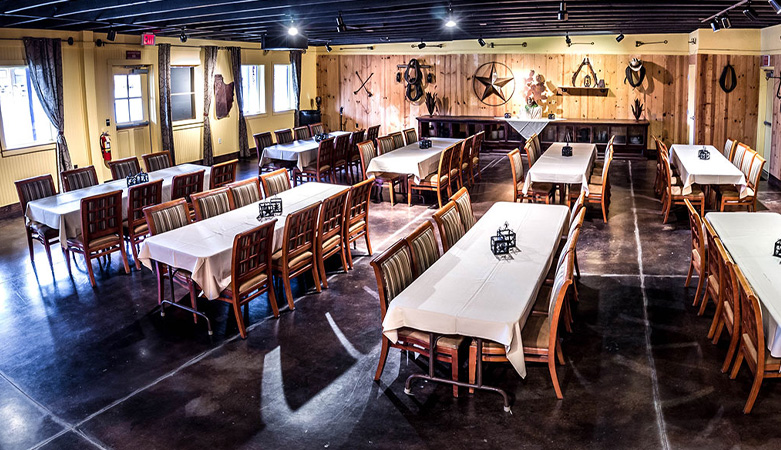
The Branding Iron Restaurant’s marketing strategy will be multifaceted, combining traditional and digital approaches to reach the target audience effectively. This strategy aims to establish the restaurant as a premier dining destination in Iowa, capitalizing on its unique brand identity and high-quality offerings.This plan details how the restaurant will reach its target audience through various marketing avenues, including targeted advertising, social media engagement, and community involvement.
The restaurant will also utilize data analysis to measure campaign effectiveness and adapt the strategy as needed.
Marketing Plan
A comprehensive marketing plan is crucial for the success of the Branding Iron Restaurant. This plan will focus on creating brand awareness, driving customer traffic, and establishing the restaurant as a go-to destination for exceptional dining experiences. Traditional methods, such as local partnerships and print advertising, will be combined with the effectiveness of digital channels like social media marketing and targeted online advertisements.
- Traditional Marketing: Local partnerships with businesses and community organizations will be explored to increase brand visibility and reach. This will include sponsoring local events, offering discounts to loyal patrons of partnering establishments, and distributing promotional materials within the target area.
- Digital Marketing: A strong online presence is essential. This includes an attractive website, active social media accounts (detailed below), and targeted online advertisements to reach the desired demographics. Paid social media campaigns and search engine optimization () will be employed to enhance visibility.
- Public Relations: Securing positive media coverage in local newspapers and food blogs will further establish the restaurant’s reputation and attract potential customers.
- Community Engagement: Participating in local events, sponsoring local charities, and offering special promotions to community members will build goodwill and foster loyalty within the local community.
Marketing Campaign
A well-defined marketing campaign is vital to achieving specific goals. The campaign will emphasize the restaurant’s unique brand identity, highlighting its premium ingredients, exceptional service, and memorable ambiance. The message will be tailored to resonate with the target audience.
- Target Audience Focus: The campaign will focus on highlighting the value proposition to the target demographic, emphasizing the unique dining experience and quality ingredients. This includes showcasing the restaurant’s commitment to local sourcing and sustainable practices.
- Unique Selling Proposition: The campaign will effectively communicate the Branding Iron Restaurant’s unique selling proposition, which distinguishes it from competitors. This might include a focus on the exceptional culinary experience, the high-quality ingredients, or the restaurant’s unique ambiance.
- Call to Action: Each campaign will include a clear call to action, encouraging customers to visit the restaurant, make reservations, or engage with the restaurant’s social media pages.
Social Media Marketing
Social media plays a significant role in today’s marketing landscape. A robust social media presence will allow the Branding Iron Restaurant to connect with potential customers, build brand awareness, and foster community engagement.
- Platform Selection: The restaurant will focus on platforms where its target audience is most active. This may include Facebook, Instagram, and potentially TikTok, depending on the specific demographics.
- Content Strategy: High-quality images and videos of the food, ambiance, and staff will be essential. Regular posts showcasing daily specials, behind-the-scenes glimpses, and customer testimonials will build excitement and trust.
- Engagement Strategy: Engaging with comments and messages from followers, running contests and giveaways, and responding to customer inquiries will foster a sense of community and build brand loyalty.
Budget Allocation
A well-defined budget is crucial for a successful marketing campaign. The following table illustrates a sample budget allocation for different marketing activities.
| Marketing Activity | Estimated Budget |
|---|---|
| Traditional Marketing (print ads, local partnerships) | $5,000 |
| Digital Marketing (website, , social media ads) | $7,000 |
| Public Relations (media outreach) | $2,000 |
| Community Engagement (event sponsorships) | $3,000 |
| Contingency Fund | $1,000 |
| Total Budget | $18,000 |
Successful Marketing Campaigns
Examples of successful marketing campaigns in the restaurant industry include campaigns focused on highlighting unique selling propositions, targeted advertising, and community engagement. These campaigns often use storytelling to connect with customers on a deeper level. One example is a campaign focusing on local sourcing, emphasizing the use of fresh, locally grown ingredients to appeal to health-conscious customers. Another example is using a social media campaign to highlight customer testimonials, building trust and positive word-of-mouth.
Digital Marketing Strategies
A strong digital presence is crucial for restaurants in today’s market. Customers increasingly rely on online resources to discover and evaluate dining options. A robust digital strategy can significantly enhance a restaurant’s visibility, attract new customers, and foster brand loyalty.Effective digital marketing for a restaurant involves much more than just a website. It requires a comprehensive approach encompassing various online channels and platforms to reach and engage target audiences.
This includes building a strong online reputation, leveraging online ordering and reviews, and utilizing targeted advertising strategies to maximize customer acquisition and retention.
Importance of a Website
A restaurant website serves as the central hub for all online interactions. It acts as a digital storefront, providing customers with essential information such as menus, hours, location, and contact details. A well-designed website should be easy to navigate, visually appealing, and mobile-friendly. This ensures a positive user experience across various devices, leading to increased customer engagement.
Online Ordering Systems
Online ordering platforms offer a convenient way for customers to place orders and manage their dining experience. Integration with a restaurant’s POS system allows for seamless order processing, reducing wait times and enhancing customer satisfaction. This streamlined approach can also increase order volume and contribute to operational efficiency. Many successful restaurants have seen a substantial increase in sales through integrated online ordering systems.
Social Media Engagement
Social media platforms are powerful tools for restaurants to connect with customers and build brand awareness. Restaurants can use these platforms to share visually appealing content, such as high-quality food photography and engaging stories about their operations. Consistent posting and interactive engagement with followers can create a loyal customer base. Effective social media campaigns often involve targeted advertising and collaborations with local influencers.
Online Advertising Strategies
Targeted online advertising campaigns can reach specific demographics and interests, increasing the restaurant’s visibility and driving traffic. Platforms like Google Ads and social media advertising offer various options for reaching potential customers based on location, interests, and demographics. Data analysis and campaign optimization are key to ensuring a positive return on investment. Restaurants can use retargeting ads to re-engage customers who have previously shown interest in their offerings.
Leveraging Online Reviews and Ratings
Online reviews and ratings play a vital role in a restaurant’s reputation and success. Positive reviews build trust and attract new customers, while negative reviews offer valuable feedback for improvement. Restaurants should actively solicit reviews from satisfied customers and respond promptly to both positive and negative feedback. Maintaining a strong online presence, actively responding to reviews, and addressing concerns demonstrates professionalism and customer focus.
Managing online reputation is an ongoing process.
Utilizing Online Platforms for Advertising
Several online platforms provide opportunities for restaurant advertising. These include local online directories, online food delivery platforms, and industry-specific websites. Utilizing these platforms allows for targeted advertising and reach, increasing visibility and attracting potential customers. Local partnerships with relevant businesses and organizations can also enhance reach and visibility.
Customer Experience
Crafting a memorable customer experience is paramount for the success of Branding Iron Restaurant. A positive experience fosters loyalty, encourages repeat business, and generates positive word-of-mouth referrals. This section details the envisioned customer experience, Artikels service standards, and emphasizes the importance of feedback incorporation.
Ideal Customer Experience
The ideal customer experience at Branding Iron Restaurant centers around a warm, welcoming atmosphere, coupled with exceptional service and high-quality food. Guests should feel valued from the moment they enter the restaurant, experiencing a blend of rustic charm and modern sophistication. Prompt, attentive service, coupled with knowledgeable staff recommendations, should elevate the dining experience. The goal is to exceed expectations, ensuring every guest leaves with a positive impression and a desire to return.
Service Standards and Staff Training
Exceptional service standards are crucial to achieving the desired customer experience. Staff training is vital in achieving these standards. This involves detailed training on menu knowledge, proper table service etiquette, handling customer inquiries and requests efficiently, and maintaining a positive and approachable demeanor. A key element is training in active listening, allowing staff to understand customer needs and address concerns proactively.
Emphasis should be placed on promptness, courtesy, and efficiency in order to create a seamless dining experience. Staff should also be trained on how to anticipate customer needs and proactively address potential issues.
Customer Feedback Incorporation
Gathering and analyzing customer feedback is essential for continuous improvement. Feedback mechanisms should be implemented to ensure a robust understanding of customer satisfaction levels. Feedback should be collected through various channels such as comment cards, online surveys, and direct conversations. Analysis of this feedback should be used to identify areas for improvement in service, menu items, or restaurant operations.
By actively listening to customer feedback, the restaurant can adapt and evolve to better meet customer expectations.
Customer Service Protocols
| Situation | Staff Action |
|---|---|
| Guest approaches the table | Acknowledge the guest with a warm smile and welcoming greeting. |
| Guest asks about a dish | Provide a detailed description and highlight key ingredients or preparation methods. |
| Guest expresses dissatisfaction | Listen attentively, apologize, and offer a solution to rectify the situation. |
| Guest requests a change | Handle the request promptly and efficiently, providing an alternative if possible. |
| Guest has a complaint | Acknowledge the complaint, apologize, and actively work to resolve the issue. |
Handling Customer Complaints
Handling customer complaints effectively is critical for maintaining a positive reputation. A proactive approach is vital, focusing on understanding the root cause of the complaint and implementing appropriate corrective measures. A well-defined complaint handling procedure should be in place to ensure consistent and fair resolution. This should involve a clear process for documenting complaints, escalating issues when necessary, and providing timely and appropriate resolutions.
By effectively addressing complaints, the restaurant demonstrates a commitment to customer satisfaction and builds trust. Furthermore, taking the time to genuinely listen to a complaint, understand the customer’s perspective, and promptly addressing the issue is critical.
Financial Projections
A robust financial projection is crucial for the success of Branding Iron Restaurant. It provides a roadmap for managing resources, anticipating challenges, and maximizing profitability. This section Artikels the anticipated financial performance over the first three years, highlighting key factors and potential funding sources.
Projected Revenue and Expenses
Forecasting revenue and expenses accurately is essential for effective financial planning. This section details projected revenue and expenses, providing a clear picture of the restaurant’s financial health. The figures are estimations based on market analysis, menu pricing, and operational costs. Accurate forecasting helps in making informed decisions about investments, staffing, and marketing.
| Year | Projected Revenue | Projected Expenses | Profit Margin |
|---|---|---|---|
| Year 1 | $150,000 | $120,000 | 20% |
| Year 2 | $200,000 | $150,000 | 25% |
| Year 3 | $250,000 | $180,000 | 28% |
Key Financial Factors Affecting Success
Several key factors will significantly influence the restaurant’s financial performance. These include effective cost management, efficient staffing, and consistent quality of food and service. Maintaining a strong brand presence and attracting a loyal customer base will also be vital to revenue growth.
- Cost Control: Implementing strategies to minimize waste and optimize operational costs is essential. This includes careful inventory management, efficient purchasing, and minimizing food spoilage.
- Pricing Strategy: A well-defined pricing strategy that considers menu costs, competitor pricing, and market demand is crucial. A competitive but profitable pricing structure is vital.
- Customer Acquisition: Attracting and retaining customers through effective marketing strategies and exceptional customer service is paramount. Customer satisfaction directly impacts repeat business and positive word-of-mouth referrals.
Potential Funding Sources
Several funding options are available to support the restaurant’s initial investment and ongoing operations. These options include personal savings, small business loans, and venture capital. Careful consideration of each funding source’s terms and conditions is necessary.
- Personal Savings: Using personal savings to cover initial startup costs can be a viable option for some entrepreneurs. However, it’s crucial to have a clear understanding of the financial implications.
- Small Business Loans: Small business loans from banks or credit unions can provide substantial capital for start-up costs and ongoing operations. The terms and conditions of these loans vary, and thorough research is recommended.
- Venture Capital: For restaurants with significant growth potential, venture capital can be a source of funding. However, it’s important to be aware of the terms and conditions associated with this type of funding. This type of funding is often sought by businesses with high growth potential and well-defined business plans.
Importance of Financial Planning
Financial planning is critical for any restaurant’s long-term success. It allows for informed decision-making, risk management, and strategic planning. A well-defined financial plan allows owners to track progress, identify potential issues, and adjust strategies accordingly. This ensures the restaurant can adapt to market changes and maintain profitability.
Outcome Summary
In conclusion, Branding Iron Restaurant Iowa is positioned for success with a robust plan encompassing its unique brand, a strategic marketing approach, and a focus on delivering an exceptional customer experience. The financial projections showcase the restaurant’s potential for profitability and long-term viability in the competitive Iowa restaurant market.
Q&A
What type of cuisine does Branding Iron Restaurant offer?
The restaurant’s menu is expected to feature a variety of dishes, including [mention cuisine type, e.g., American classics with a modern twist, or regional Iowa fare, or specify if there is a particular focus].
What is the projected price range for meals?
The pricing structure is designed to appeal to a [target audience, e.g., mid-range customer] and is competitive with other establishments in the area.
What are the hours of operation for Branding Iron Restaurant?
Specific hours will be determined closer to opening, but the plan is to operate [mention hours, e.g., daily from 11 am to 10 pm] in order to maximize customer traffic.
How can I make a reservation?
Reservations will be available online through the restaurant’s website and potentially via phone.