April 18, 2026

marketing

Branding iron advertising is more than just a technique; it’s an innovative approach that merges tradition with modern marketing strategies. By etching a unique identity onto products, brands can forge a deeper connection with consumers, ultimately enhancing recognition and loyalty. With its tactile element, branding iron advertising creates a memorable experience that resonates on a psychological level, making it an intriguing topic for marketers and brands alike.

The significance of branding in today’s competitive market cannot be overstated. Branding iron advertising stands out as a method that effectively captures attention, instills trust, and fosters a lasting impression. This form of advertising not only serves to distinguish products but also emphasizes the values and identity that brands wish to convey to their audience.

Importance of Branding Iron Advertising

Branding iron advertising is an essential component of modern marketing strategies, pivotal in establishing a company’s identity and fostering customer loyalty. The act of branding goes beyond mere recognition; it instills a sense of trust and quality in the minds of consumers. In an era where consumers are constantly bombarded with choices, a strong brand presence becomes crucial for differentiation.Branding iron advertising significantly enhances brand recognition by creating a lasting impression through visual elements.

When consumers encounter consistent branding across various platforms, from digital media to physical products, it reinforces their memory of the brand. Over time, effective branding leads to increased customer loyalty and repeat business, as consumers are more likely to return to a brand they recognize and trust.

Psychological Impact of Physical Branding on Consumer Perception

Physical branding, such as the use of branding irons, delivers a strong psychological impact on consumer perception. This method of branding is not merely about aesthetics; it embodies a tangible connection between the product and the consumer. The tactile nature of a branded product evokes a sense of authenticity and craftsmanship, which can significantly influence purchasing decisions.The following points highlight the psychological effects of physical branding:

  • Association with Quality: Physical branding often conveys a message of quality craftsmanship, suggesting that the product is made with care and precision, which appeals to consumers seeking reliable goods.
  • Emotional Engagement: Consumers tend to develop emotional connections with brands that display physical branding, as it signifies commitment and integrity. This emotional engagement can enhance brand loyalty over time.
  • Perceived Value: Products that feature physical branding, such as a unique emblem or logo, often establish a perception of higher value. This perceived value can justify higher price points and foster a premium brand image.
  • Memorability: A distinctive branding iron imprint can make products more memorable, leading to positive recall when consumers are making purchasing decisions. This memorability is vital in crowded markets.

“The essence of a strong brand is the ability to evoke positive emotional responses in consumers.”

Through these psychological impacts, branding iron advertising not only enhances visibility but also deepens the connection between the brand and its customers, ensuring a lasting influence in the marketplace.

Types of Branding Irons

Branding irons are essential tools for businesses looking to establish a strong brand identity. They come in various forms, each tailored to specific needs and applications. Understanding the different types available in the market can help you choose the right one for your branding efforts.Various types of branding irons cater to different materials and branding techniques. Here, we explore the most common types and the materials used in their construction.

Common Types of Branding Irons

There are several types of branding irons that businesses can utilize, each serving unique purposes. Here’s a breakdown of the main types:

  • Electric Branding Irons: These are powered by electricity and provide a consistent heat level, making them suitable for frequent use. They heat up quickly and are often adjustable for different temperature settings.
  • Manual Branding Irons: Typically made of metal, these irons require a heat source, such as a torch or fire, to become hot. While they may take longer to heat, they are often more affordable and portable.
  • Custom Branding Irons: These can be either electric or manual and are designed specifically for a business’s logo or design. Custom branding irons are often made from high-quality materials to ensure durability and precise branding.
  • Cold Branding Irons: These use extreme cold to create a mark on materials like livestock. While less common for commercial branding, they are valuable in agricultural settings.

Materials Used for Branding Irons

The materials used in the construction of branding irons significantly affect their performance and longevity. Here are the common materials found in branding irons:

  • Steel: Most branding irons are made from steel due to its durability and ability to withstand high temperatures.
  • Brass: Often used for custom branding irons, brass provides excellent heat retention and a smooth finish.
  • Aluminum: Lightweight and corrosion-resistant, aluminum branding irons are less common but can be used for specific applications.

Differences Between Electric and Manual Branding Irons

The choice between electric and manual branding irons can impact efficiency and effectiveness. Understanding their differences is key for making an informed decision.Electric branding irons are convenient and time-efficient, heating quickly and maintaining consistent temperatures. They are ideal for businesses that require high-volume branding, as they can streamline the process without the need for constant reheating. On the other hand, manual branding irons are often simpler and cost-effective.

They might require more effort to heat properly, but they allow for flexibility in usage without dependency on power sources. They are particularly advantageous in remote locations where electricity isn’t available.

“Choosing the right branding iron depends on your specific needs, production volume, and available resources.”

Each type of branding iron offers distinct advantages. By assessing your branding needs and the resources at your disposal, you can select the most suitable branding iron for your business.

Techniques for Effective Branding Iron Advertising

Branding iron advertising is an innovative way to infuse your marketing efforts with a unique touch that enhances brand recognition and customer engagement. Integrating branding irons into your marketing campaigns not only creates memorable experiences but also helps cultivate a strong connection with your audience. Here, we will explore various techniques to effectively utilize branding irons in your advertising strategy.

Methods to Integrate Branding Irons into Marketing Campaigns

Incorporating branding irons into your marketing campaigns can be a game-changer. Here are some effective methods to consider:

1. Event Sponsorships

Partner with local events or festivals to showcase your brand using branding irons. Offer branded merchandise that participants can take home, such as hot-pressed coasters or branded wood products.

2. Social Media Giveaways

Host contests or giveaways where followers can win branded items. Use branding irons to customize products live during the giveaway event, creating excitement and engagement.

3. Retail Promotions

Use branding irons in-store during special promotional events. Allow customers to personalize items as they purchase, making it a memorable shopping experience.

“The more personalized the experience, the more likely customers are to engage with your brand.”

Step-by-Step Guide for Using Branding Irons for Promotional Events

Utilizing branding irons at promotional events can elevate your engagement with attendees. Here’s a step-by-step guide to ensure successful implementation:

1. Plan Your Event

Identify the type of event and your target audience. Choose a venue that suits your brand and message.

2. Create Branded Products

Decide what products you want to brand using the iron. Common options include wood items, leather goods, or even food products like BBQ meats.

3. Set Up Branding Stations

Prepare a dedicated space at your event where attendees can see the branding process. Ensure all equipment is safe and operational.

4. Engage with Attendees

Actively interact with participants. Explain the branding process and the significance of your brand while they wait.

5. Document the Experience

Capture photos and videos of the branding process. Share these on social media to create buzz and encourage future participation.

Best Practices for Showcasing Branded Items with Branding Irons

To maximize the effectiveness of branding iron advertising, consider the following best practices when showcasing branded items:

Quality of Materials

Ensure that the products being branded are of high quality. This reflects positively on your brand and enhances customer satisfaction.

Visibility of Branding

Position the branding iron in a way that attendees can clearly see the branding process. This transparency builds trust and adds to the experience.

Create Unique Designs

Develop distinctive designs or logos that resonate with your audience. Avoid generic branding; instead, focus on what makes your brand unique.

Follow-Up Engagement

After the event, engage with attendees through follow-up emails or social media posts, sharing highlights and encouraging them to share their experiences.

“A well-executed branding event can turn attendees into brand advocates.”

By employing these techniques and best practices, businesses can significantly enhance their branding efforts through the effective use of branding irons, creating memorable interactions and lasting impressions on their customers.

Case Studies of Successful Branding Iron Advertising

Branding iron advertising has shown impressive results for various brands, proving its effectiveness in creating memorable impressions and enhancing brand identity. Companies that have embraced this unique advertising method have achieved significant recognition and customer loyalty through distinct branding techniques. Below, we explore several notable case studies that illustrate the power of branding iron advertising.

Examples of Brands Using Branding Irons

Several brands have effectively integrated branding irons into their advertising strategies, resulting in remarkable outcomes. These case studies reveal how branding irons have elevated brand visibility and customer engagement. Here are a few notable examples:

  • Absolut Vodka: Absolut Vodka has masterfully used branding irons to create unique merchandise, such as custom-etched glassware. This approach not only enhanced brand visibility at events but also resonated with consumers, driving a 30% increase in social media engagement during promotional campaigns.
  • Ranch Brand: A local ranching company adopted branding irons to stamp their logo on premium beef products. This practice highlighted product authenticity and quality, contributing to a 40% rise in sales over a year and solidifying their market position.
  • Woodford Reserve: The distillery utilized branding irons to engrave their logo on barrels during tours. This not only created a unique visitor experience but also fostered a deeper connection with the brand. Visitor satisfaction ratings soared by 25%, leading to an increase in merchandise sales.

Outcomes of Branding Iron Advertising

The effectiveness of branding iron advertising can be compared to traditional methods in terms of consumer engagement and brand recall. Brands that utilized branding irons often saw improved outcomes in various metrics. Below are key differences observed:

  • Brand Recognition: Branding iron campaigns often yield higher brand recall, as consumers associate the tactile experience of a branded product with the brand itself, unlike traditional ads that may be easily forgotten.
  • Customer Loyalty: The personal touch that branding irons provide tends to foster stronger emotional connections with customers, leading to increased loyalty compared to traditional advertising methods.
  • Social Media Buzz: Branding iron campaigns have been shown to generate more buzz on social media platforms due to their visual appeal and unique nature, outperforming traditional ads which may not translate as effectively into social engagement.

Metrics Demonstrating Success of Branding Iron Campaigns

Data clearly illustrates the positive impact of branding iron advertising. Here are some key metrics that highlight the effectiveness of these campaigns:

Brand Campaign Type Increase in Sales Social Media Engagement
Absolut Vodka Custom Merchandise 30% +25% interactions
Ranch Brand Product Branding 40% +15% shares
Woodford Reserve Experiential Marketing 25% +30% comments

“The tactile experience of branding not only enhances product authenticity but also strengthens consumer loyalty.”

The data illustrates that branding iron advertising not only serves as a unique marketing strategy but also translates to tangible business growth and enhanced customer relationships. By leveraging the distinctive nature of branding irons, brands can create memorable experiences that resonate with their audience.

Legal and Ethical Considerations
Building a brand strategy: Essentials for long-term success

The use of branding irons in advertising brings with it a range of legal and ethical considerations that must be addressed to ensure compliance and maintain consumer trust. Understanding these implications is crucial for businesses seeking to utilize this technique effectively while avoiding potential pitfalls.The legal implications of using branding irons in advertising primarily revolve around intellectual property rights, consumer protection laws, and the regulation of advertising practices.

Businesses must ensure that their branding does not infringe on existing trademarks or copyrights. Unauthorized use of a competitor’s branding iron design could lead to lawsuits and significant financial liabilities. Moreover, compliance with local and federal advertising regulations is necessary to avoid misleading consumers.

Intellectual Property Rights

Maintaining respect for intellectual property rights is vital in the branding iron advertising landscape. Businesses must navigate various legal frameworks to ensure that their branding efforts do not violate another party’s rights. Key points include:

  • Trademark Registration: Brands should ensure that their branding iron designs are unique and registered as trademarks to protect their identity.
  • Copyrights: Any artistic elements in the branding iron must not infringe on copyrighted material owned by others.
  • Licensing Agreements: When using branding elements that belong to another entity, securing appropriate licensing agreements is essential to avoid legal disputes.

Consumer Rights Issues

Branding iron advertising can also raise concerns regarding consumer rights. Businesses should be aware of potential issues that could arise, including:

  • Product Misrepresentation: If a consumer perceives a branded product as representing a particular quality that it does not possess, this could lead to claims of false advertising.
  • Health and Safety Concerns: The physical act of branding can pose risks, such as burns or injuries, particularly if not conducted safely. Brands must ensure that their methods do not harm consumers.
  • Transparency: Brands are ethically obliged to be transparent about the materials and processes used in creating branded products, fostering trust and avoiding backlash.

Ethical Considerations

Ethical considerations play a crucial role in establishing a brand’s reputation. Businesses should consider the following aspects when employing branding irons in their advertising:

  • Animal Welfare: If branding is used on animal products, companies must prioritize humane practices and transparently communicate their methods to consumers.
  • Environmental Impact: Brands should evaluate the environmental implications of their branding methods, striving to minimize waste and promote sustainability.
  • Consumer Consent: Brands need to recognize and respect consumer autonomy, ensuring that consumers are aware of and consent to the branding process, particularly in customizable products.

“Maintaining ethical standards in branding iron advertising is crucial for fostering consumer trust and brand loyalty.”

Future Trends in Branding Iron Advertising

As we look ahead, branding iron advertising is poised to undergo significant transformations driven by emerging trends and technological advancements. Businesses are increasingly recognizing the effectiveness of branding irons not only as a traditional marketing tool but also as a means to forge deeper connections with consumers. This evolution is influenced by changing consumer preferences, the rise of digital marketing, and innovative techniques that enhance the branding experience.Technological advancements are set to redefine how branding irons are utilized in advertising strategies.

The integration of smart technology, such as augmented reality (AR) and the Internet of Things (IoT), will likely enhance the interactivity and engagement levels associated with branding iron advertisements. For instance, envision a scenario where consumers can scan a code on a branded product, leading them to a digital experience that showcases the story behind the brand. This intersection of traditional branding techniques with modern technology will contribute to a more immersive consumer experience.

Emerging Trends in Branding Iron Advertising

Several noteworthy trends are beginning to shape the future of branding iron advertising. These trends reflect an inclination towards sustainability, personalization, and the incorporation of digital elements into physical branding. The following points summarize these significant trends:

  • Sustainable Materials: The shift towards eco-friendly materials in branding iron production is gaining momentum. Brands are opting for sustainable metals and finishes to align with consumers’ growing environmental consciousness.
  • Personalization Options: Customization is increasingly becoming a key component. Consumers are drawn to products that reflect their individuality, leading brands to offer personalized branding experiences.
  • Integration with Digital Marketing: The merger of branding irons with digital campaigns facilitates a seamless cross-channel marketing approach, resulting in higher engagement rates.
  • Smart Branding Techniques: The implementation of smart technology, such as QR codes or NFC tags on branding irons, allows consumers to access additional information or offers directly, enhancing customer interaction.

Technological Impact on Branding Iron Techniques

The infusion of technology into branding iron advertising techniques harbors the potential to revolutionize the industry. Automation and advanced manufacturing processes are already transforming how brands create and apply branding irons. For example, 3D printing technology enables brands to craft intricate designs that were previously unattainable, allowing for greater creativity in product branding.

“By 2030, we anticipate that brands leveraging AR alongside branding iron advertising will see a significant uptick in consumer engagement and brand loyalty.”

The incorporation of data analytics is also critical as brands assess consumer behavior and preferences, leading to more targeted branding efforts. Brands that capitalize on these technological advancements will not only improve their branding methods but also solidify their market presence.

Forecast on Evolution of Branding Iron Advertising in the Next Decade

As we project into the next decade, branding iron advertising is expected to evolve significantly. We foresee a stronger emphasis on experiential branding, where consumers are invited to engage with products in immersive ways. For instance, brands might host events where consumers can create their own branded items using branding irons, allowing for a personal touch that resonates with today’s experience-seeking consumers.Additionally, we can expect to see collaborations between tech companies and traditional brands to create hybrid marketing solutions that leverage both physical branding and digital engagement.

This approach will likely lead to innovative advertising campaigns that not only promote products but also foster community and brand loyalty.In summary, the landscape of branding iron advertising is rapidly changing. Brands that adapt to these emerging trends and leverage technological advancements stand to benefit immensely in the competitive advertising arena.

Final Summary

In summary, branding iron advertising offers a unique blend of tradition and innovation that can significantly impact a brand’s presence in the marketplace. As we delve into its various aspects—from types and techniques to case studies and future trends—it becomes clear that this method can redefine how brands engage with consumers. Looking forward, the evolution of branding iron advertising is likely to present new opportunities and challenges that brands must navigate to stay relevant and impactful.

Commonly Asked Questions

What is branding iron advertising?

Branding iron advertising involves using physical branding tools to imprint a brand’s logo or message onto products, enhancing visibility and recognition.

How does branding iron advertising influence consumer perception?

It creates a tactile and memorable experience, reinforcing brand identity and fostering trust among consumers.

Are there specific industries where branding iron advertising is more effective?

Yes, industries such as food and beverage, fashion, and artisanal products often find branding iron advertising particularly effective.

What are the potential legal concerns with branding iron advertising?

Legal issues can arise related to intellectual property rights, consumer safety, and proper usage of branding methods.

How can brands measure the success of branding iron advertising?

Success can be evaluated through brand recognition surveys, sales data, and consumer feedback on the branded items.

Unveiling the multifaceted world of branding, this guide delves into the core meaning of branding work. From defining its fundamental principles to exploring its impact on customer experience, we’ll uncover the secrets behind effective branding strategies.

Understanding branding work is crucial for businesses of all sizes. It’s not just about logos and colors; it’s about crafting a cohesive brand identity that resonates with target audiences. This guide will walk you through the essential elements, processes, and considerations involved in creating impactful branding.

Defining Branding Work

Branding work is a multifaceted process aimed at establishing a strong and recognizable identity for a company, product, or service. It goes beyond simply creating a logo and extends to crafting a comprehensive brand experience that resonates with the target audience. The core objectives of effective branding work include building brand awareness, fostering brand loyalty, and ultimately, driving business growth.Effective branding work is more than just a pretty logo; it’s a carefully constructed system of elements working in harmony to create a distinct and enduring impression.

These elements collectively communicate the brand’s personality, values, and promises to the public.

Key Components of Effective Branding Work

A robust brand strategy comprises several key elements. These components work together to create a cohesive and memorable brand identity. These include:

  • Brand Identity: This encompasses the visual elements (logo, color palette, typography) and the core values that define the brand. A consistent and well-defined brand identity fosters recognition and trust.
  • Brand Messaging: This involves crafting compelling narratives that clearly communicate the brand’s unique value proposition, differentiating it from competitors. This includes brand voice and tone, ensuring consistent communication across all platforms.
  • Brand Experience: This refers to the overall impression customers have when interacting with the brand. This encompasses customer service, product quality, and the overall brand atmosphere.
  • Target Audience Analysis: Understanding the target audience is crucial for crafting effective messaging and tailoring the brand experience to their needs and preferences.

Branding Work vs. Other Marketing Activities

Branding work differs from other marketing activities in its long-term focus. While other activities might focus on short-term sales campaigns, branding work builds a lasting foundation. Effective branding creates a strong and consistent identity that resonates with consumers over time. Marketing activities, such as advertising or promotions, often act as tools to support and amplify the branding efforts.

Examples of Successful Branding Work

The following table illustrates successful branding work across various industries. It demonstrates how different elements contribute to a powerful brand identity and impact.

Industry Brand Key Branding Elements Impact
Technology Apple Clean design, premium quality, innovative products, strong brand story Built a loyal customer base, high brand recognition, premium pricing power
Fast Food McDonald’s Consistent branding, recognizable logo, global presence, family-friendly image Strong brand awareness, significant market share, global reach
Automotive Tesla Electric vehicles, sustainability, innovative technology, premium image Disrupted the automotive industry, established a strong brand presence in the EV market, high brand loyalty
Fashion Nike Athleisure, inspiration, empowerment, performance Strong brand recognition, high customer loyalty, influential in sports culture

Understanding the Purpose of Branding Work

Branding work is more than just a logo and color scheme. It’s a strategic process that shapes a company’s perception and influences customer interactions. Effective branding builds a strong foundation for business growth, fostering trust and loyalty.A well-defined brand identity creates a consistent and memorable experience for customers, ultimately driving positive outcomes. This involves understanding the target audience, crafting a compelling brand narrative, and ensuring all brand touchpoints are aligned with the overall strategy.

Primary Goals of Branding Work

Branding work in a business context aims to achieve several key objectives. These include establishing brand recognition, differentiating the company from competitors, and building a strong emotional connection with customers. These objectives are interconnected and support each other to create a cohesive and impactful brand.

Contribution to Customer Loyalty and Brand Advocacy

Strong branding fosters customer loyalty by creating a sense of trust and belonging. A consistent brand experience across all touchpoints reinforces the value proposition and strengthens the customer relationship. This, in turn, leads to increased customer retention and advocacy. Brand advocates actively promote the brand to others, contributing significantly to organic growth and positive word-of-mouth marketing.

Role in Shaping Brand Perception and Identity

Branding work plays a crucial role in shaping how a brand is perceived by the target audience. It defines the brand’s personality, values, and mission, creating a unique identity that distinguishes it from competitors. A strong brand identity is recognizable and memorable, impacting how customers think and feel about the company.

Examples of Strong Branding’s Influence on Customer Behavior

Strong branding can significantly influence customer behavior in various ways. For example, a brand known for its high-quality products and exceptional customer service will likely attract customers seeking reliability and satisfaction. Conversely, a brand perceived as innovative and trendy may attract customers seeking cutting-edge solutions and a sense of belonging to a specific community. These are just two examples of how strong branding can shape purchasing decisions.

Communication of Brand Values Through Branding Work

A brand’s values are intrinsically linked to its branding work. Every element, from the logo and color palette to the tone of voice and customer service interactions, should reflect and reinforce the brand’s core values. For instance, a brand prioritizing sustainability will likely incorporate eco-friendly practices into its packaging and production processes, showcasing these values to customers. This alignment between values and branding work fosters authenticity and builds trust.

The Process of Creating Branding Work

Crafting a strong brand is a multifaceted process requiring meticulous planning and execution. It’s not a one-time event but a continuous effort to build and maintain a positive perception in the market. This involves understanding the target audience, defining a unique brand identity, and consistently communicating that identity through various touchpoints.

Key Steps in Developing a Comprehensive Branding Strategy

A successful branding strategy hinges on a systematic approach. The process typically involves several interconnected stages, from initial research to final implementation and ongoing evaluation. This structured approach ensures a cohesive and effective brand identity.

  • Market Research and Analysis: Thorough market research is fundamental to understanding the competitive landscape, identifying opportunities, and assessing the needs of the target audience. This includes examining market trends, competitor analysis, and consumer insights. Analyzing data from various sources, including surveys, focus groups, and social media, provides crucial insights for tailoring the brand strategy.
  • Defining the Target Audience: Identifying the target audience involves understanding their demographics, psychographics, needs, and motivations. This process ensures that the brand message resonates with the intended consumers. Detailed profiling of the target audience helps refine the brand messaging and design choices.
  • Developing Brand Messaging and Storytelling: Crafting a compelling brand story is essential for establishing a strong emotional connection with the audience. This involves creating a clear and concise brand message that articulates the brand’s values, mission, and unique selling proposition. Effective storytelling incorporates narratives that showcase the brand’s personality and purpose.
  • Designing the Brand Identity: The brand identity encompasses all visual elements that communicate the brand’s personality, including logo design, color palettes, typography, imagery, and overall aesthetic. A cohesive and consistent visual identity helps build brand recognition and recall. This includes ensuring brand guidelines are established and followed.
  • Implementing and Monitoring the Brand Strategy: This phase involves applying the developed branding strategy across all relevant platforms and touchpoints. This includes incorporating the brand identity into marketing materials, website design, and customer service interactions. Ongoing monitoring and evaluation are crucial for assessing the effectiveness of the strategy and making necessary adjustments.

Importance of Market Research and Analysis in Branding

Market research and analysis provide the crucial foundation for developing a successful branding strategy. This data-driven approach ensures that the brand is well-positioned in the market and effectively addresses the needs of the target audience.

  • Understanding the Competitive Landscape: Analyzing competitors’ strengths, weaknesses, and marketing strategies helps identify opportunities to differentiate the brand and gain a competitive edge.
  • Identifying Market Trends: Understanding current and emerging trends allows brands to adapt their strategies to remain relevant and appealing to consumers.
  • Assessing Consumer Needs and Preferences: Market research provides valuable insights into consumer needs, preferences, and behaviors. This knowledge is critical for tailoring the brand message and offerings to effectively meet these needs.

Methods for Identifying Target Audiences and Their Needs

Precisely defining the target audience is essential for effective branding. This process involves a multi-faceted approach to understand their demographics, psychographics, behaviors, and motivations.

  • Surveys and Questionnaires: Gathering direct feedback from potential customers through structured surveys can help understand their needs, preferences, and expectations.
  • Focus Groups: Interactive focus groups provide valuable insights into consumer opinions and perceptions about the brand and its competitors.
  • Social Media Analytics: Analyzing social media data reveals insights into consumer conversations, preferences, and sentiments related to the brand and its competitors.
  • Data Analysis: Utilizing data analysis tools helps uncover patterns and trends in consumer behavior, leading to a better understanding of target audiences.

Role of Brand Messaging and Storytelling in Shaping Brand Identity

Brand messaging and storytelling play a crucial role in shaping a brand’s identity. These elements convey the brand’s values, mission, and unique selling proposition, fostering a connection with the target audience.

  • Crafting a Compelling Brand Story: A well-crafted narrative can communicate the brand’s history, values, and mission in a relatable and memorable way.
  • Developing a Clear Brand Message: Articulating a concise and consistent brand message ensures that the brand’s core values and offerings are effectively communicated.
  • Building Emotional Connections: Storytelling and compelling messaging can evoke emotions that connect with the target audience on a deeper level.

Process Flow Chart for Creating Effective Branding Work

This flowchart Artikels the stages involved in developing a comprehensive branding strategy:

Stage Description
Market Research Analyzing the market, competitors, and target audience.
Target Audience Definition Identifying the ideal customer profile and their needs.
Brand Messaging & Positioning Developing a clear and compelling brand message.
Brand Identity Design Creating visual elements that represent the brand.
Brand Implementation Applying the brand strategy across all touchpoints.
Monitoring & Evaluation Tracking performance and making adjustments.

Branding Work and Brand Strategy

Branding work and brand strategy are intrinsically linked. A strong brand strategy provides the roadmap, while branding work is the execution of that strategy. Understanding this relationship is crucial for building a successful and enduring brand. This connection ensures a cohesive brand identity that resonates with the target audience and drives desired outcomes.Brand strategy is the overarching plan for building and maintaining a brand’s identity and positioning in the market.

Branding work encompasses the tangible actions and creative elements that bring the strategy to life. This means everything from logo design and messaging to marketing campaigns and customer experiences. The interplay between these two elements forms the foundation of a powerful and consistent brand presence.

Relationship Between Branding Work and Brand Strategy

Brand strategy provides the framework and guiding principles for all branding work. It defines the brand’s core values, target audience, unique selling proposition (USP), and desired positioning in the market. Branding work then translates these strategic directives into tangible and visible expressions of the brand, ensuring that every interaction with the brand reinforces its overall message. The strategy provides the ‘why’ and the branding work provides the ‘how’.

Comparison of Branding Work and Brand Strategy

Brand strategy is the overarching blueprint, outlining the long-term vision and goals for the brand. It focuses on market analysis, competitive positioning, and brand value proposition. Branding work, on the other hand, is the tactical implementation of that strategy. This includes the development of visual identity elements, brand messaging, and the execution of marketing campaigns. Essentially, strategy is the plan, and branding work is the action.

Key Elements of a Robust Brand Strategy

A robust brand strategy encompasses several key elements:

  • Target Audience Definition: A clear understanding of the ideal customer, including demographics, psychographics, needs, and motivations is paramount for effective marketing efforts.
  • Brand Positioning: This Artikels how the brand differentiates itself from competitors and occupies a specific space in the market. A well-defined brand position allows the brand to effectively communicate its value proposition to its target audience.
  • Brand Values: These are the core principles that guide the brand’s actions and decisions. Consistent adherence to brand values builds trust and fosters brand loyalty.
  • Brand Voice and Personality: This encompasses the tone and style of communication employed by the brand. A consistent brand voice creates a recognizable and memorable brand identity.
  • Brand Promise: This is the explicit or implied commitment that the brand makes to its customers. A clear brand promise ensures customers understand the value proposition and are more likely to engage with the brand.

How Branding Work Supports and Reinforces Brand Strategy

Branding work is the practical application of the strategic plan. By translating abstract concepts into tangible elements, such as logos, color palettes, and messaging, branding work reinforces the brand strategy. It ensures that every customer interaction communicates the brand’s values and promises. The consistency of branding across all touchpoints strengthens brand recognition and builds trust.

Examples of Effective Brand Integration

The following table illustrates how some brands effectively integrate branding work into their overall strategy.

Brand Strategy Branding Elements Results
Nike Building a strong athletic lifestyle brand that inspires and empowers athletes. Iconic swoosh logo, powerful slogans, athlete endorsements, motivational messaging, and consistent brand color palette. Increased brand awareness, significant market share, and strong customer loyalty.
Apple Creating a premium brand experience that focuses on user-friendliness and innovation. Sleek design aesthetics, intuitive user interfaces, simple and elegant marketing campaigns, focus on product quality and experience. High-end product pricing and sales, loyal customer base, and strong brand recognition.
Coca-Cola Building a global brand that evokes happiness and shared experiences. Iconic logo, consistent color palette, memorable advertising campaigns, and cultural associations. Strong global presence, iconic status, and consistent consumer engagement.

Key Considerations in Branding Work

Crafting a successful brand involves more than just a logo and tagline. It necessitates a meticulous approach to ensure consistent messaging and a strong connection with the target audience. Effective branding is a dynamic process, requiring adaptation and refinement as markets evolve and consumer preferences shift.A robust brand strategy must account for a multitude of factors, including the essence of the brand itself, the target audience’s needs, and the overarching market landscape.

This comprehensive approach ensures a cohesive and impactful brand experience across all interaction points.

Brand Consistency Across Touchpoints

Brand consistency is paramount for building recognition and trust. Every interaction a consumer has with a brand, from website visits to social media engagement, should reflect the same core values and visual identity. Inconsistencies create confusion and weaken the overall brand message. Maintaining a cohesive brand identity across all touchpoints strengthens brand recall and fosters a stronger emotional connection with consumers.

Maintaining Brand Identity and Visual Elements

Visual elements, such as logos, color palettes, and typography, are crucial in establishing brand recognition. These elements should be consistently applied across all marketing materials to ensure a unified and memorable brand image. Maintaining a distinct and recognizable visual identity is essential for standing out in a crowded marketplace and solidifying brand recognition.

Brand Voice and Tone

Brand voice and tone shape the personality and character of a brand. A consistent brand voice, whether formal, informal, humorous, or sophisticated, helps consumers understand the brand’s personality and values. The tone and voice used in marketing materials and customer service interactions must align with the brand’s overall image and mission to create a seamless and engaging experience for consumers.

Adapting Branding to Different Target Audiences

Effective branding requires tailoring the message and approach to resonate with specific target audiences. A brand that effectively adapts its message to various markets demonstrates an understanding of different cultural contexts and consumer preferences. This adaptability strengthens brand relevance and enhances the likelihood of success in diverse markets. Different audiences may respond differently to various visual and verbal elements, thus requiring careful consideration of these aspects.

Examples of Successful Brand Adaptations

Numerous brands have successfully adapted their branding to various markets. For example, Coca-Cola’s global presence is a testament to its ability to maintain core brand elements while adapting to local preferences and tastes. McDonald’s, with its diverse menu options and localized marketing campaigns, demonstrates an understanding of cultural nuances and regional tastes. These examples highlight the importance of understanding cultural differences and tailoring brand messaging for optimal impact.

Starbucks, with its globally recognized brand, provides another example, successfully adapting to diverse cultural preferences while maintaining its core identity.

Measuring the Effectiveness of Branding Work

Assessing the success of branding initiatives requires a multifaceted approach, moving beyond subjective impressions to concrete metrics. Quantitative data provides a clear picture of the impact, allowing for adjustments and refinements to optimize future campaigns. This section details crucial metrics for evaluating the effectiveness of branding efforts.

Brand Awareness and Recognition Metrics

Understanding how well your brand is recognized is paramount. Brand awareness encompasses both the ability to recall the brand name and the association of the brand with specific attributes or benefits. Various methods can gauge this, from surveys to online searches.

  • Brand Recall Surveys: These surveys measure the percentage of respondents who can recall the brand name in a specific context. For example, asking “What brands of coffee do you remember seeing advertised recently?” helps determine brand recall.
  • Brand Recognition Surveys: These assess the percentage of respondents who recognize the brand logo or name when presented with it. Showing various logos and asking “Which of these logos is associated with a coffee brand?” illustrates brand recognition.
  • Website Traffic and Social Media Engagement: Tracking website traffic and social media engagement provides insight into how consumers interact with your brand online. Increased traffic and positive engagement on social media indicate heightened awareness.

Brand Sentiment and Customer Feedback Analysis

Monitoring public perception is vital. Understanding how customers feel about your brand allows for proactive adjustments to address potential issues and capitalize on strengths.

  • Social Listening Tools: These tools track mentions of your brand across various social media platforms and online forums. Analyzing sentiment, identifying negative comments, and understanding positive feedback are crucial components of this process.
  • Customer Surveys and Feedback Forms: Direct feedback from customers, gathered through surveys and feedback forms, offers a direct understanding of customer opinions. Analyzing themes and trends within customer feedback helps understand customer satisfaction and areas for improvement.
  • Customer Service Interactions: Analyzing customer service interactions, including phone calls, emails, and chat sessions, provides a real-time view of customer sentiment and potential pain points.

Impact on Sales and Revenue Analysis

The ultimate measure of success is the impact on the bottom line. Analyzing sales and revenue data allows for a direct assessment of the return on investment for branding efforts.

  • Sales Data Analysis: Examining sales data over time, comparing periods with and without branding campaigns, and looking at specific product sales related to the brand image can pinpoint the influence of branding.
  • Revenue Growth Analysis: Comparing revenue figures before and after implementing branding initiatives can reveal revenue increases directly attributable to the branding efforts. A rise in revenue correlating with improved brand awareness suggests a strong link between branding and financial success.
  • Customer Lifetime Value (CLTV) Analysis: Measuring the total revenue generated by a customer over their relationship with the brand helps quantify the long-term value of brand building. Higher CLTV often signifies strong branding efforts that foster customer loyalty.

Key Metrics and Measurement Methods

The table below Artikels key metrics and their corresponding methods for measurement.

Metric Method of Measurement
Brand Awareness Surveys, website traffic, social media engagement
Brand Recognition Surveys, logo recognition tests
Brand Sentiment Social listening tools, customer surveys, customer service interactions
Sales Impact Sales data analysis, revenue growth analysis, CLTV analysis

Branding Work and Customer Experience

Branding work is not simply about creating a logo and a tagline; it’s about crafting a holistic experience that resonates with customers. A strong brand cultivates a specific perception in the minds of consumers, and this perception directly influences their interactions with a company and its offerings. Effective branding work is deeply intertwined with the customer experience, impacting everything from initial awareness to post-purchase satisfaction.A well-defined brand consistently communicates its values, personality, and promises through every touchpoint.

This consistent communication fosters trust and familiarity, which are key elements in creating a positive customer experience. The way a customer interacts with a brand, from browsing a website to engaging with customer service, shapes their overall impression and loyalty.

The Interplay Between Brand and Customer Perception

Branding directly shapes how customers perceive a product or service. A strong brand, with clear values and consistent messaging, often leads to a more positive and favorable perception. Customers tend to associate positive attributes with a recognizable brand, influencing their purchasing decisions and loyalty. Conversely, inconsistent or poorly defined brands can result in a negative customer experience and brand perception.

Consumers perceive brands that prioritize customer satisfaction as trustworthy and reliable.

Consistent Branding Across Touchpoints

A seamless customer journey relies on consistent branding across all interaction points. This consistency ensures that customers encounter a cohesive and recognizable brand identity, regardless of how they interact with the company. From the website’s design and tone to customer service interactions and social media presence, each touchpoint should reinforce the brand’s message and values. This integrated approach fosters a positive and memorable customer experience.

The Role of Customer Service in Reinforcing Brand Image

Customer service is a crucial component of the customer experience and plays a significant role in reinforcing a brand’s image. Effective customer service representatives are brand ambassadors, representing the company’s values and commitment to customer satisfaction. Positive interactions with customer service can significantly enhance a brand’s reputation, while negative interactions can damage it. Companies that prioritize responsive and helpful customer service demonstrate a commitment to their customers, which in turn strengthens their brand image.

Examples of Brands with Exceptional Customer Experiences

Several brands excel in creating a seamless and positive customer experience. For example, Apple’s commitment to product design, user-friendliness, and a dedicated support system creates a loyal customer base. Similarly, companies like Amazon, with its vast selection, efficient delivery systems, and readily available customer support, have cultivated a strong brand perception through a consistently positive customer experience. These brands prioritize the entire customer journey, from initial product discovery to post-purchase support.

Their commitment to a positive experience leads to strong customer loyalty and positive word-of-mouth marketing.

Closure

In conclusion, effective branding work is a multifaceted process that goes beyond superficial aesthetics. It’s about building a strong brand identity, fostering customer loyalty, and ultimately driving business success. This comprehensive guide has provided a framework for understanding the intricacies of branding work, equipping you with the knowledge to create a meaningful and impactful brand presence.

Essential FAQs

What’s the difference between branding and marketing?

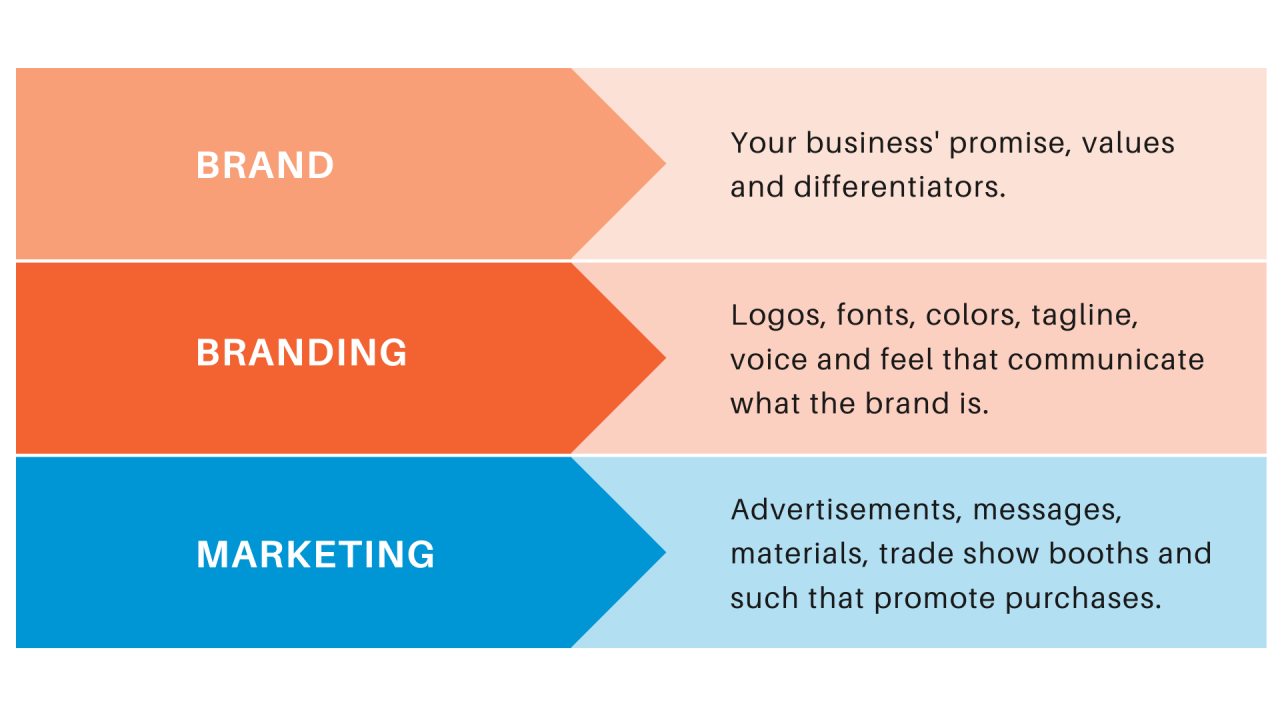
Branding focuses on building a unique identity and perception, while marketing uses various tactics to promote and sell a product or service. Branding is the foundation; marketing is the execution.

How long does it typically take to see results from branding efforts?

Results from branding initiatives can vary significantly. Building a strong brand takes time and consistency. While immediate sales boosts might not be expected, long-term effects like increased customer loyalty and recognition are usually noticeable over several months or even years.

What are some common mistakes in branding work?

Common mistakes include inconsistent messaging across platforms, neglecting market research, failing to adapt to changing consumer preferences, and not measuring the effectiveness of branding efforts.

How can small businesses leverage branding effectively?

Small businesses can create a powerful brand identity by focusing on a niche market, building a strong online presence, and cultivating genuine customer relationships.